Forget the postcard-perfect photos of the Sagrada Familia or the crowded tapas bars in Barcelona—Spain’s real magic lies in its hidden corners where locals live, laugh, and celebrate life daily. In 2026, the best Spain local experiences aren’t just about ticking off must-see attractions; they’re about stepping into the rhythm of authentic Spanish culture, from family-run bodegas to secluded beachside villages that time forgot.
Imagine trading a crowded flamenco show for an intimate gathering in Seville’s Triana neighborhood, where passionate locals still practice the art like their ancestors did. Or swapping a touristy paella joint for a rustic farmhouse in Valencia, where chefs whip up the dish using heirloom rice varieties passed down through generations. This year, it’s all about diving deep into Spain’s soul—where every hidden gem tells a story you won’t find in guidebooks.
Spain Local Experiences in 2026: Beyond the Tourist Trail
So, you’ve been to Barcelona and Madrid—maybe even Seville—but what about the real Spain? The kind of local experiences that make you feel like you’ve stepped into a hidden chapter of history? Let’s dive into some lesser-known spots where authenticity still thrives.
Exploring Rural Villages of Andalusia
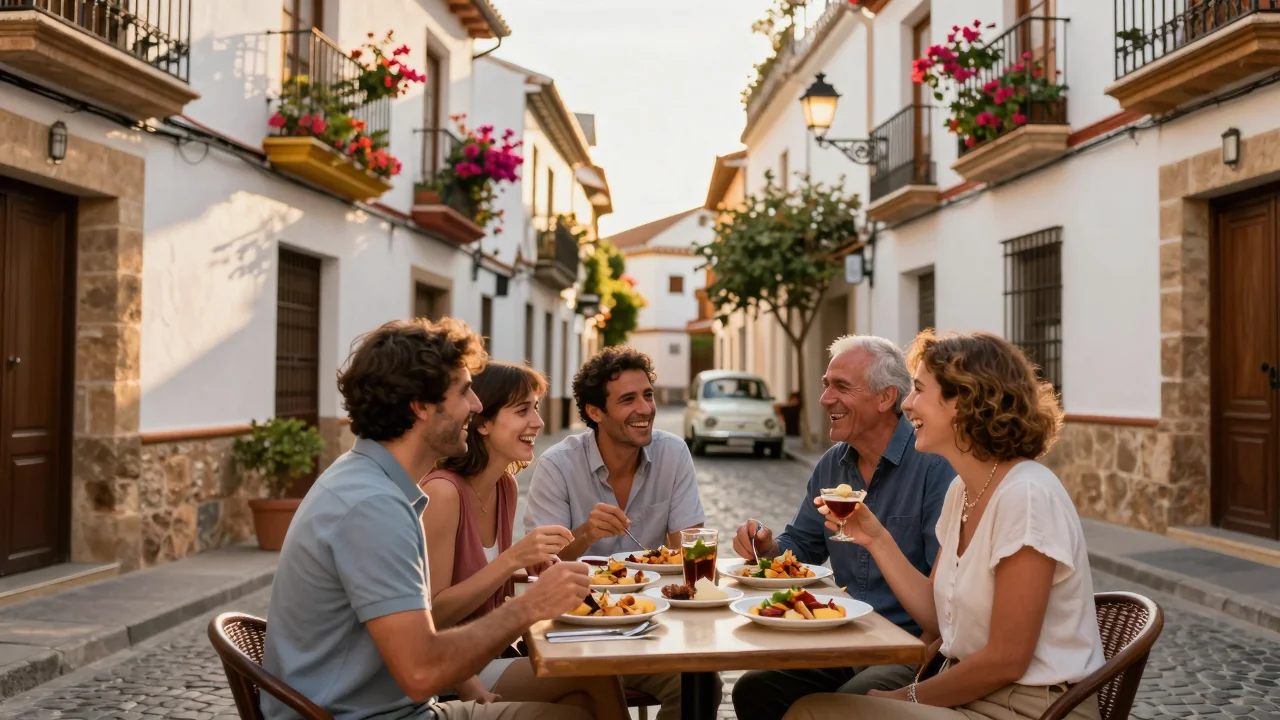
Andalusia isn’t just about flamenco and tapas (though those are pretty great). The region is dotted with charming villages that offer a slower, more immersive way to experience Spain. Think cobblestone streets, whitewashed houses, and artisans keeping traditions alive.
In Zahara de la Sierra, you can wander through medieval alleys and visit the Castillo de Zahara for breathtaking views. For something hands-on, try a pottery workshop in Triana, where skilled craftspeople have been shaping clay since the 16th century. And if you’re a foodie, don’t miss the opportunity to taste migas (a rustic bread-based dish) made by locals who’ve perfected the recipe over generations.
Here are some must-visit villages for an authentic Andalusian experience:
– Ronda: Famous for its dramatic cliffside views and ancient bridge.
– Setenil de las Bodegas: Houses built into rock formations—perfect for Instagram!
– Vejer de la Frontera: A hilltop town with Moorish influences and stunning coastal views.
– Frigiliana: One of Spain’s prettiest villages, with narrow streets and flower-filled balconies.
– Alpujarra region: A hiker’s paradise with traditional taifas (whitewashed houses) dotting the mountainside.
From crafting to feasting, these villages offer a side of Andalusia that most tourists never see. And if you’re craving more unique adventures, check out Unique Activities for a Spain Vacation for even more inspiration.
Hidden Beaches Along the Costa Brava
Forget crowded resorts—the Costa Brava has secret beaches that feel like your own private paradise. Whether you’re looking to snorkel, hike, or just soak up the sun, these hidden gems are worth the trek.
One of our favorites is Aigua Blava, near Begur. The water here is so clear it looks like liquid sapphire, and the surrounding cliffs make for an epic backdrop. If you’re up for a bit of adventure, head to Sa Tuna, where you can rent a kayak and paddle to secluded coves.
Here are some other hidden beaches worth discovering:
– Cala Montjoi: A quiet stretch near the famous El Bulli (though the restaurant is long gone, the beach remains magical).
– Cala Pola: Accessible only by boat or a scenic hike—perfect for those who love a challenge.
– Sa Riera: A small, sandy cove with crystal-clear waters and a relaxed vibe.
– Cala Sa Boadella: Great for snorkeling, with rocky outcrops teeming with marine life.
– Platja de Pals: A long, uncrowded beach with golden sand and turquoise waves.
With its rugged coastline and untouched beauty, the Costa Brava is a dream come true for anyone seeking peace and adventure. Now that we’ve explored the land and sea, let’s talk about another way to experience Spain’s rich culture—through its people and traditions.
The Magic of 2026 Festivals in Spain
If you think you’ve seen it all in Spain, think again—2026 is shaping up to be a year packed with unforgettable Spain local experiences, especially when it comes to festivals. These celebrations are more than just parties; they’re living history, bursts of culture, and a chance to connect with locals on a deeper level.
Unique Celebrations You Won’t Find Elsewhere
Picture this: thousands of participants in white robes, their faces covered in black hoods, reenacting centuries-old penance rituals. That’s the Semana Santa (Holy Week) in Valladolid, one of Spain’s most dramatic religious festivals. Or how about the La Tomatina in Buñol, where 20,000 people gather to hurl overripe tomatoes at each other for pure, messy fun? These aren’t just events—they’re traditions that have been passed down through generations.
For something truly offbeat, check out the Fuego de Albacete, a dazzling fireworks display where pyrotechnicians launch thousands of euros worth of explosives in synchronized bursts—like a 15-minute symphony of light and sound. And if you’re visiting in September, don’t miss the Fiesta del Pilar in Zaragoza, where giant paper-mâché figures called fallas are burned in a spectacle that’s equal parts art and chaos.
“Spain’s festivals are where history, faith, and community collide in the most spectacular ways. They’re not just tourist attractions—they’re the soul of the country.” — María López, Cultural Anthropologist
Best Times to Visit for Festival Enthusiasts
Planning your trip around Spain’s festivals is like assembling a puzzle—each event fits perfectly into its season. Spring kicks off with Semana Santa in March or April (dates vary yearly), followed by the Feria de Abril in Seville, where flamenco, sherry, and cascades of colorful dresses take over the streets.
Summer brings the heat—and not just from the sun. July is all about La Tomatina, while August hosts the Bonfires of San Juan in Alicante, where bonfires light up the beaches as people jump over flames for good luck. And if you’re a fan of music, September’s Benicàssim International Festival (or B.I.D. for short) offers three days of top-tier acts like The Chemical Brothers or Lana Del Rey, with tickets around €200.
As autumn rolls in, October’s Fiesta del Pilar and November’s All Saints’ Day celebrations bring a mix of reverence and revelry. No matter when you visit, there’s always something magical happening—you just have to know where (and when) to look.
With so much festive energy in the air, it’s easy to forget that Spain’s allure goes beyond its celebrations—but trust me, the best is yet to come.
Culinary Adventures: Taste Spain Like a Local
Ever wondered what makes Spanish cuisine so magical? It’s not just the paella or the tapas—it’s the love and tradition poured into every dish. In 2026, Spain local experiences are all about diving deep into culinary adventures that go beyond tourist menus. Whether you’re rolling out fresh tortillas in a family kitchen or sipping wine from a hidden vineyard, these are the moments that turn a trip into a memory.
Cooking Classes in Family-Owned Kitchens
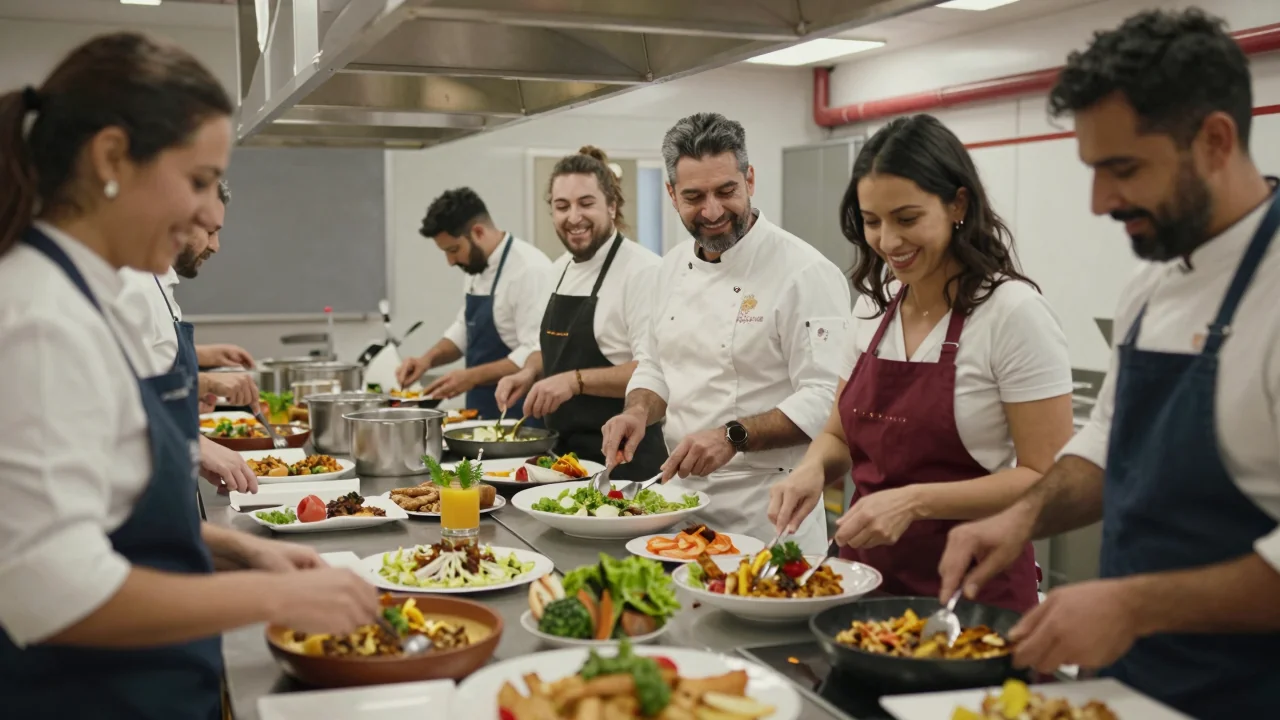
Forget fancy cooking schools—some of the best Spain local experiences happen in cozy, family-run kitchens. Imagine kneading dough with abuela’s secret recipe or learning how to perfectly sear a chorizo for a classic fabada asturiana. These hands-on classes are where you’ll learn the real deal, no shortcuts.
- Master the art of making traditional tortilla española (potato omelet).
- Learn to craft authentic pan con tomate (bread with tomato) from scratch.
- Discover the secrets behind slow-cooked cocido madrileño, a hearty stew.
- Get tips on selecting the best extra virgin olive oil for gazpacho.
- Take home recipes that’ll make your friends think you’ve been cooking like a Spanish grandma for years.
From Seville to Barcelona, these intimate classes are where food becomes family. And once you’ve tasted what you’ve made yourself? That’s when Spain truly gets under your skin.
Wine Tours Through Lesser-Known Vineyards
Spain isn’t just about Rioja or Priorat—some of the most exciting wine regions in 2026 are still flying under the radar. Picture this: strolling through rolling vineyards in Ribera del Duero, where bold Tempranillos age to perfection, or discovering the crisp whites of Galicia’s Ribeira Sacra.
- Sip on organic wines from Bodega Muga (Peset Street, Logroño) with a price tag around €25–€40 per bottle.
- Try Alión red wine (Ribera del Duero), known for its deep flavors and smooth finish—perfect for pairing with grilled meats.
- Explore the emerging region of Tierra de Castilla, where small producers are crafting unique blends.
- Learn about sustainable winemaking at Bodegas Protos in Valladolid, a leader in eco-friendly practices.
- Don’t miss the natural wines from El Coto de Rioja, a favorite among locals for its bold character.
Whether you’re a wine connoisseur or just love a good glass with lunch, these tours are about discovery—finding flavors that surprise and delight. And speaking of surprises…
Artisan Workshops: Crafting Traditions Alive
Ever wondered what it’s like to create something with your hands that tells a story? In Spain, artisan workshops offer just that—an immersive way to connect with local culture through time-honored crafts. These aren’t just activities; they’re gateways into understanding the heart and soul of Spanish heritage.
Pottery Making in Catalonia’s Historic Towns
Picture this: you’re in a sun-drenched workshop in the heart of Catalonia, your fingers shaping wet clay on a pottery wheel, just like artisans have done for centuries. In towns like La Bisbal d’Empordà or Girona, you can dive into the art of ceramic craftsmanship passed down through generations. The region is famous for its rustic “trenca” pottery, characterized by earthy tones and hand-painted designs. For around €50–€70, you can take a half-day workshop where experts guide you through techniques like coil building and glazing—perfect for beginners or seasoned crafters alike.
“The beauty of Catalan pottery lies in its imperfections—the asymmetrical shapes and organic glazes tell the story of human hands shaping history.” —Marta López, Master Potter from La Bisbal d’Empordà
Textile Weaving in Galicia’s Rural Communities
If you’ve ever admired a beautifully woven wool blanket or shawl, you’ll love experiencing the process firsthand in Galicia. This lush region is known for its traditional “mantas gallegas” (Galician blankets), meticulously crafted on wooden looms using locally sourced wool. In villages like Allariz or Ribadavia, workshops offer hands-on sessions where you can learn basic weaving techniques and even take home a small piece of your creation. Prices typically range from €40–€60 for a 2-hour session, including materials.
From pottery to textiles, these Spain local experiences remind us that some traditions are too precious to fade away—especially in an era where fast fashion and mass-produced goods dominate. Ready to discover another layer of Spain’s rich cultural tapestry?
Off-the-Beaten-Path Hiking Trails
Ever felt like you’ve seen every corner of Spain? Think again! While the Camino de Santiago and the Pyrenees get all the glory, there are some truly magical Spain local experiences waiting for those willing to venture off the beaten path.
Scenic Routes Through Spain’s Greenest Landscapes
Forget the postcard-perfect crowds—let’s talk about the hikes that’ll make you feel like you’ve discovered a secret. The Ruta de los Pantanos in Asturias is one of our favorites, winding past emerald lakes and ancient forests. Pack your Osprey Talon 22L hiking backpack ($140) for day trips, and don’t forget waterproof boots (try the Merrell Moab 3 Mid Waterproof at $165)—trust me, those muddy trails can get sneaky! Other hidden gems include:
- The Sendero de las Hoces del Duratón, where eagles soar over limestone cliffs.
- La Garganta Verde in Gran Canaria—yes, even the Canary Islands have jaw-dropping hikes!
- The Ruta del Cares, a thrilling cliffside trail with views that’ll make your heart race.
- Monte Perdido National Park’s lesser-known trails, where waterfalls cascade into turquoise pools.
- The Serra de Tramuntana’s backcountry paths in Mallorca, perfect for solitude seekers.
Pro tip: Download offline maps on your Garmin inReach Mini 2 ($400)—cell service can be spotty, and peace of mind is priceless.
Hidden Gems Along the Camino de Santiago Alternatives
The Camino Francés is iconic, but have you heard of the Camino Portugués by the Coast? This route skips the crowds for coastal breezes and fresh seafood stops. Or how about the Vía de la Plata, a Roman road turned pilgrimage trail with ruins older than some countries? For history buffs, these Spain local experiences are pure gold.
- The Camino Mozárabe, starting in Granada or Málaga, blends Moorish and Christian heritage.
- The Camino del Ebro, following Spain’s longest river through quiet vineyards.
- Camino Olivético, a new route launched in 2024, celebrating olive groves and rural life.
- The Invierno Route, a wild, untouched path through Galicia’s forests.
- Camino de Madrid, perfect for those who prefer rolling plains over mountains.
Whether you’re trekking for the views or the stories, these routes promise adventure without the tourist traps.
So, ready to trade the crowds for something more intimate? Let’s talk about where Spain’s most vibrant traditions still thrive.
Wrapping Up Your Spanish Adventure
Spain local experiences in 2026 are all about stepping off the beaten path and diving deep into what makes this country truly special. From hidden coastal villages to lively local festivals, we’ve uncovered some of the most unforgettable ways to connect with Spain’s soul—beyond the usual tourist spots.
Whether you’re wandering through a lesser-known tapas bar in Barcelona or hiking through the untouched beauty of Galicia, these moments are what travel memories are made of. The best part? You don’t need a time machine to experience them—just a sense of adventure and an open heart. Ready to make your mark on Spain’s rich cultural tapestry?
Pack your bags, embrace the local way of life, and let 2026 be the year you discover the real Spain!