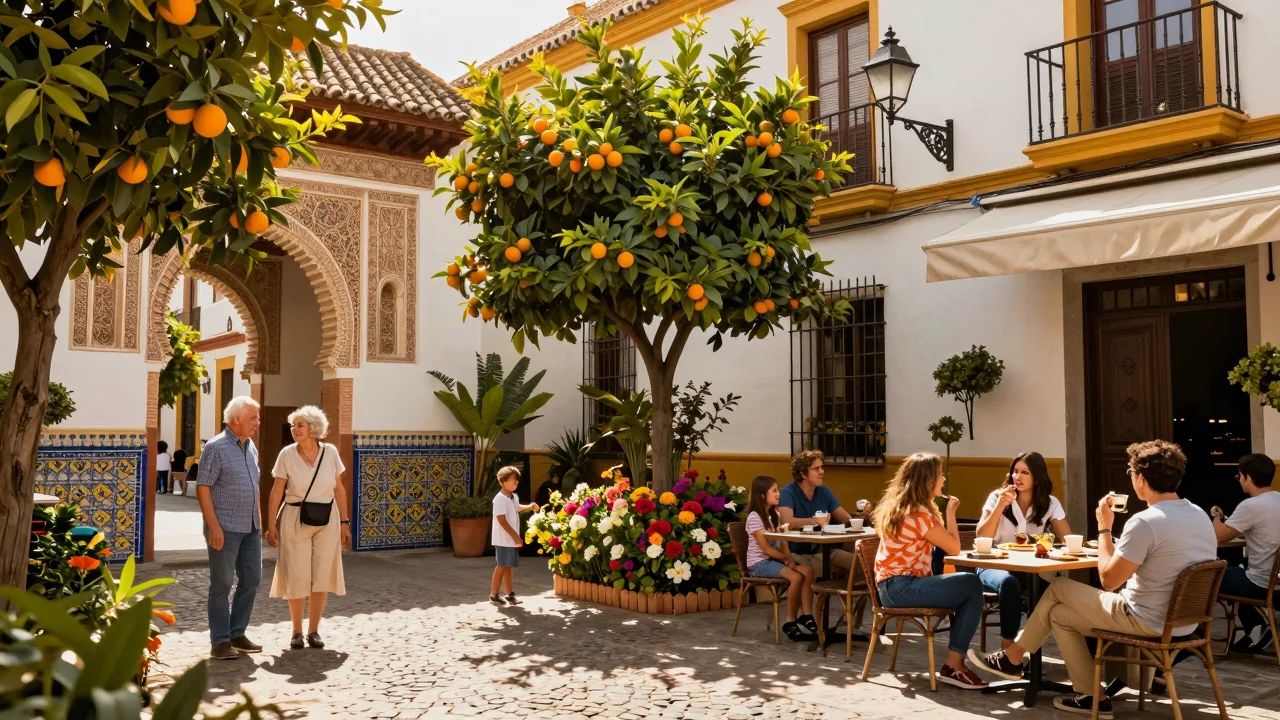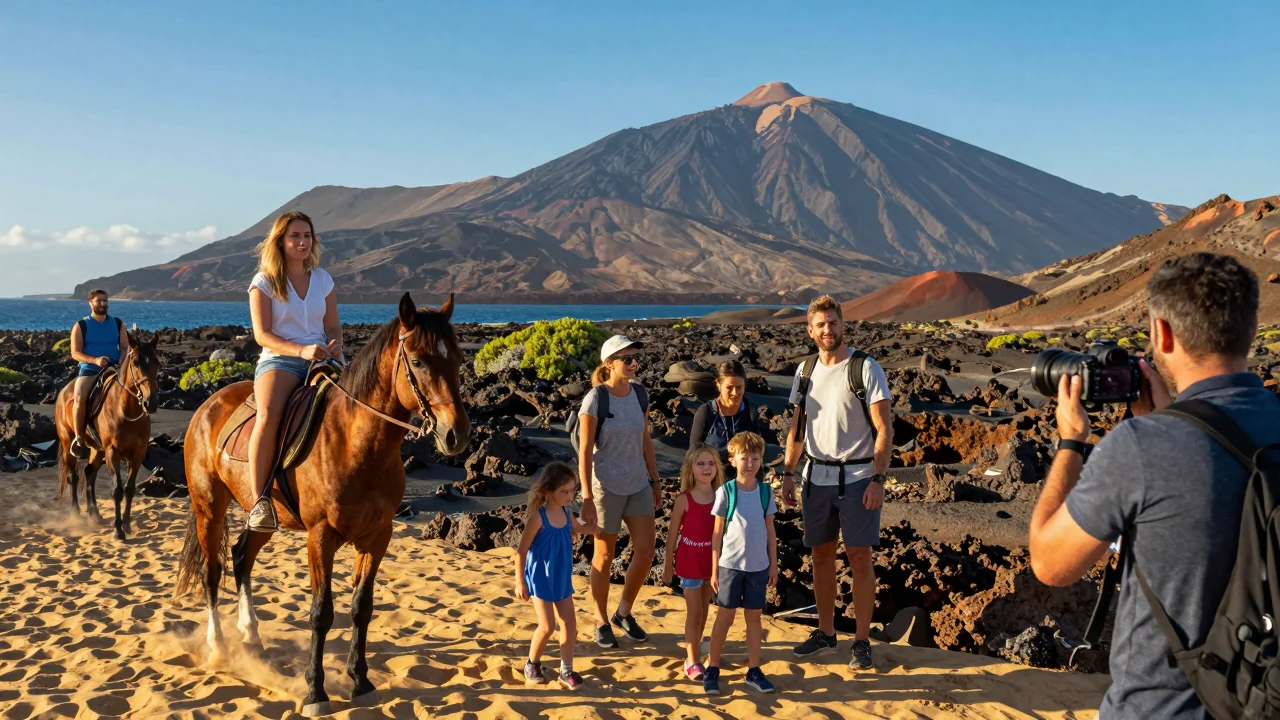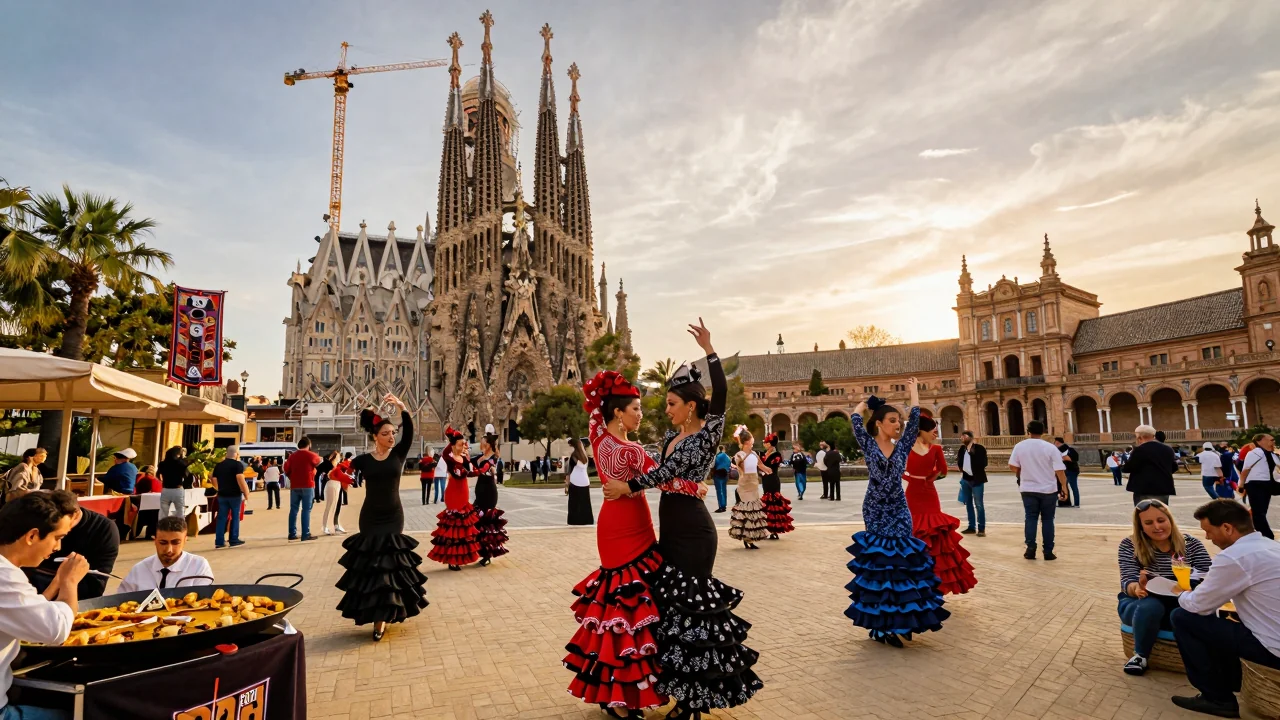
Imagine standing in the heart of Barcelona as the sun sets over La Sagrada Família, its towering spires bathed in golden light. The air hums with the distant sound of flamenco guitars and the lively chatter of locals enjoying tapas at nearby cafés. This is just a glimpse of what awaits travelers seeking Spain cultural activities in 2026—a year that promises even deeper connections to the country’s timeless traditions.
Spain’s cultural landscape thrives on diversity, from the ancient Roman ruins of Mérida to the avant-garde art of the Reina Sofía Museum. In 2026, UNESCO’s recognition of new intangible heritage sites will further elevate these experiences, such as the traditional Castell human tower-building competitions in Catalonia or the historic Fiesta de los Patios in Córdoba, where residents open their courtyard gardens to the public. With advancements like Google Arts & Culture’s immersive VR tours, you can now explore Spain’s masterpieces—like Velázquez’s Las Meninas—from anywhere before planning your visit. Whether it’s sipping sherry in Jerez or learning the intricate steps of Sevillanas, these activities are more accessible and enriching than ever.
Uncovering Spain’s Historic Landmarks
Spain is a treasure trove of historic landmarks that showcase centuries of cultural evolution. From Roman ruins to Moorish fortresses, the country’s architectural heritage offers unparalleled insights into its past. Visitors in 2026 can explore these sites with enhanced digital guides and augmented reality experiences, making history more accessible than ever.
To fully appreciate Spain’s rich cultural activities, start with its iconic landmarks:
- The ancient Roman Aqueduct of Segovia, a marvel of engineering from the 1st century AD.
- La Sagrada Família in Barcelona, Antoni Gaudí’s unfinished masterpiece, scheduled for completion in 2026.
- Alhambra, the breathtaking Moorish citadel and palace in Granada, restored to its former glory.
- The Mezquita of Córdoba, a stunning fusion of Islamic and Christian architecture.
- Park Güell in Barcelona, another Gaudí gem, now featuring interactive exhibits on his creative process.
Exploring Ancient Architecture
Dive into Spain’s architectural marvels, from Roman aqueducts to Gothic cathedrals. The country’s historic sites are not just relics of the past but living testaments to human ingenuity and artistic expression. In 2026, advancements in preservation technology ensure these landmarks remain vibrant for future generations.
For a deeper dive into Spain’s architectural wonders, visit Spain’s Ultimate Luxury Nightlife Guide for 2026, which also highlights the best ways to experience these landmarks after dark.
The Legacy of Flamenco in Andalusia
Experience the soulful rhythms of flamenco and its deep-rooted cultural significance. Originating in Andalusia, this art form embodies passion, emotion, and technical mastery, with roots tracing back to the 18th century. In 2026, flamenco performances have been enhanced with multimedia storytelling, allowing audiences to immerse themselves in its history.
Flamenco is more than music; it’s a cultural ritual that blends dance, guitar, vocals, and percussion. For an authentic experience, visit Casa de la Guitarra in Seville or attend the Biennale Flamenco Festival, showcasing both traditional and contemporary styles.
From architectural marvels to rhythmic traditions, these experiences set the stage for even more vibrant cultural encounters ahead.
Festivals and Celebrations in 2026
Spain’s vibrant cultural scene is highlighted by its festivals, which draw millions of visitors each year seeking unforgettable experiences. In 2026, travelers can immerse themselves in traditions that range from chaotic fun to adrenaline-fueled excitement. These Spain cultural activities showcase the country’s unique heritage and community spirit.
La Tomatina: A Unique Food Fight Tradition
Every August, the small town of Buñol transforms into a battlefield for La Tomatina, the world’s largest tomato-throwing festival. Participants gather in the town square to hurl over 150,000 kilograms of ripe tomatoes at each other in a chaotic but joyous melee. The event starts with the climbing of a greasy pole to claim a ham, followed by truckloads of tomatoes being unleashed on the crowd.
“La Tomatina attracts around 20,000 participants annually, making it one of Spain’s most popular and internationally recognized cultural events.” — Spanish Festivals Association
Safety measures are strictly enforced, including protective goggles and gloves, ensuring that the festivities remain fun while minimizing risks. The streets are hosed down afterward, leaving Buñol sparkling clean by the end of the day. This Spain cultural activity is a must for those who enjoy playful chaos and a break from traditional sightseeing.
Running with the Bulls in Pamplona
For thrill-seekers, nothing compares to the San Fermín festival’s Running of the Bulls in Pamplona. Held each July, this event sees runners sprint through the narrow streets ahead of a herd of bulls, creating an adrenaline rush unlike any other. The tradition dates back centuries and remains one of Spain’s most iconic cultural spectacles.
“The Running of the Bulls covers approximately 875 meters (956 yards) in just three minutes, with participants reaching speeds of up to 20 km/h.” — Pamplona City Tourism Board
Spectators line the barricaded streets, cheering on the runners while maintaining a safe distance. The festival also includes lively processions, traditional music, and fireworks, offering a full immersion into Spanish festive culture. This Spain cultural activity is not for the faint-hearted but promises an unforgettable adventure.
With such dynamic festivals shaping Spain’s cultural landscape in 2026, travelers can look forward to experiences that are as diverse as they are memorable.
Culinary Journeys Through Spain
Spain’s rich culinary heritage is a cornerstone of its cultural identity, offering experiences that engage all the senses. From vibrant street food to world-class wineries, 2026 promises unforgettable gastronomic adventures for travelers eager to explore Spain’s diverse flavors.
Tapas Hopping in Barcelona
Savor the diverse flavors of Catalan cuisine through an interactive tapas tour. Barcelona’s bustling streets are home to some of Europe’s most innovative small plates, where traditional recipes meet modern creativity. Must-visit spots include Quimet & Quimet, renowned for its montaditos (mini sandwiches), and El Nacional, a grand food hall offering everything from fresh seafood to artisanal charcuterie. For an authentic experience, consider the Tapas Tour Barcelona by Devour Tours, which guides visitors through hidden gems while explaining each dish’s historical significance.
- Pan con tomate (tomato bread)
- Bombas (spicy potato and meat croquettes)
- Patatas bravas (fried potatoes with spicy sauce)
- Jamón ibérico (cured Iberian ham)
- Anchoas (salted anchovies)
These tours often pair food with local wines, enhancing the cultural immersion. Whether you’re a seasoned foodie or a curious traveler, Barcelona’s tapas scene is an essential stop on any Spain cultural activities itinerary.
Wine Tasting in Rioja’s Vineyards
Indulge in Spain’s finest wines with a guided tasting experience in 2026. The Rioja region, celebrated for its Tempranillo-based reds and crisp whites, offers unforgettable vineyard tours where visitors can learn about winemaking traditions dating back centuries. Leading wineries like Marqués de Riscal, known for its iconic gold-domed hotel, and Bodegas Muga, famous for aging in French oak barrels, provide immersive tastings that highlight the terroir’s unique characteristics.
- Reserva wines (aged 3 years)
- Gran Reserva wines (aged 5 years)
- Viura (white grape variety)
- Garnacha (red grape variety)
- Aging in American oak barrels
Many tours also include visits to nearby medieval villages, blending history with hedonism. For a premium experience, book the Rioja Alavesa Wine Tour by Taste Spain, which includes transportation and expert-led tastings.
As you savor these culinary delights, prepare to dive deeper into Spain’s artistic heritage through its world-renowned museums and galleries.
Art and Museums to Visit
Spain’s rich artistic heritage is best experienced through its world-class museums, where visitors can immerse themselves in centuries of creativity and innovation. From Renaissance masterpieces to avant-garde installations, the country’s cultural institutions offer unparalleled insights into Spain’s artistic evolution.
The Prado Museum: A Masterpiece Collection
The Prado Museum in Madrid stands as a cornerstone of European art history, housing an unrivaled collection of works by Spanish masters like Diego Velázquez, Francisco Goya, and El Greco. Among its highlights is Velázquez’s Las Meninas, a 17th-century portrait that redefines perspective and power dynamics, while Goya’s The Third of May 1808 captures the brutality of war with raw emotional intensity. The museum also features international icons like Bosch’s The Garden of Earthly Delights, making it a must-visit for art enthusiasts.
“The Prado Museum is not just a collection—it’s a dialogue between generations, where every brushstroke tells a story of Spain’s cultural soul.” — Dr. Ana Martínez, Art Historian
Modern Art at the Reina Sofía
For those drawn to contemporary movements, the Reina Sofía Museum in Madrid showcases Spain’s pivotal role in modern art, particularly through its extensive holdings of Pablo Picasso’s works, including Guernica. This monumental painting, a visceral response to the Spanish Civil War, remains one of the most powerful anti-war statements ever created. The museum also highlights surrealism and abstract expressionism, featuring artists like Dalí and Miró, who pushed boundaries in 20th-century art.
Spain’s vibrant cultural scene extends beyond museums, inviting travelers to explore its dynamic performing arts and culinary traditions next.
Immersive Cultural Workshops
Spain’s rich heritage comes alive through immersive cultural workshops that offer more than just observation—they provide hands-on experiences that deepen your connection to the country’s traditions. From mastering age-old crafts to savoring authentic flavors, these activities allow travelers in 2026 to engage directly with Spain’s artistic and culinary legacies. Whether you’re shaping clay into traditional ceramics or stirring a paella that rivals those served in Valencian homes, these workshops are designed for cultural immersion.
Learning Traditional Pottery in Valencia
Valencia’s pottery tradition dates back to the Roman era, and today, artisans continue to refine techniques that have been passed down through generations. At Taller de Cerámica La Rosa Negra, located in the heart of Valencia, participants learn to work with local clays using methods such as barbotina (slip casting) and torno alfarero (potter’s wheel). The workshop offers a 3-hour session for €85, where you’ll craft your own piece under expert guidance. Key techniques include:
– Hand-building with traditional coils
– Glazing using natural oxide pigments
– Firing in a wood-burning kiln
– Decorating with lustrado (gold leaf application)
– Finishing with esmalte mate (matte glaze)
The finished products often reflect regional motifs, such as the iconic cerámica azul y blanca (blue-and-white ceramics), making this a must-do for anyone interested in Spain’s cultural heritage.
Mastering Spanish Cooking Classes
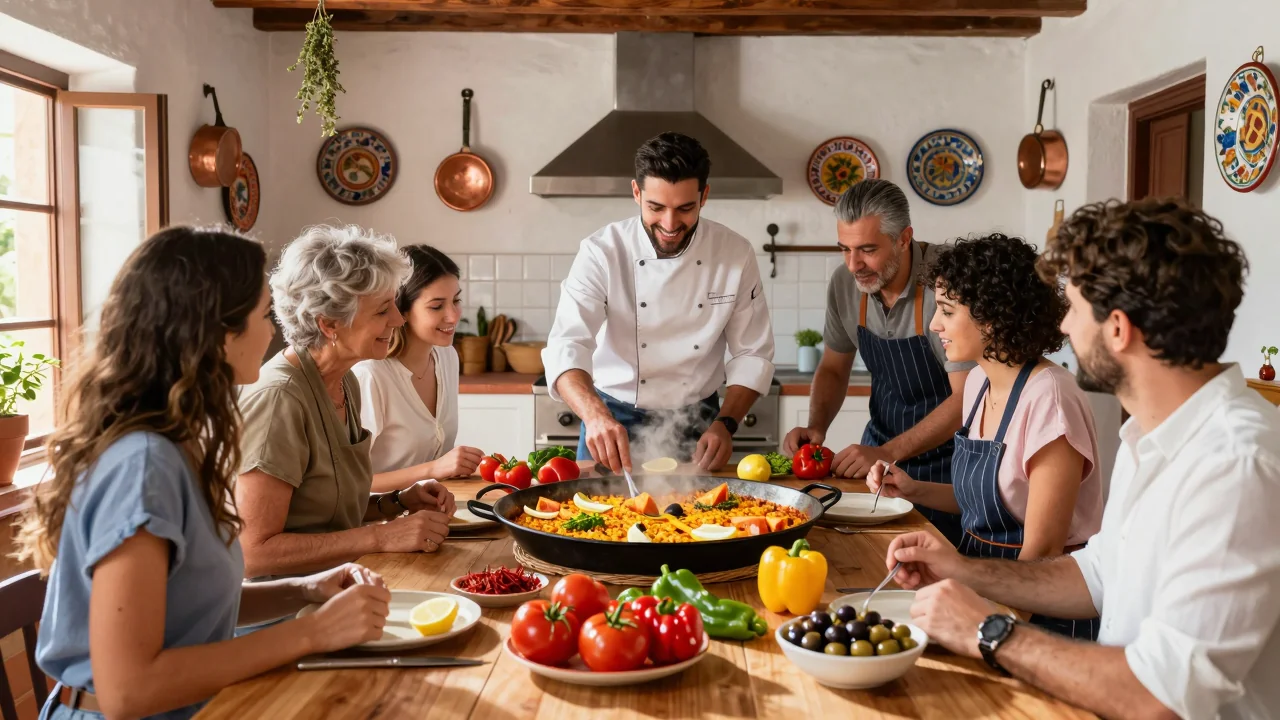
No visit to Spain is complete without indulging in its world-famous cuisine, and what better way to do so than by learning from local chefs? La Boqueria Market in Barcelona hosts daily cooking classes where participants prepare classics like paella valenciana, tortilla española, and crema catalana. A 4-hour session costs €120 and includes a market tour, ingredient selection, and a feast of your creations. Key dishes and techniques covered are:
– Perfecting the socarrat (crispy rice bottom) in paella
– Whisking a fluffy tortilla española
– Infusing saffron into arroz negro (black rice)
– Mastering the art of alioli (garlic mayo)
– Crafting the caramelized sugar crust on crema catalana
These workshops not only teach cooking skills but also offer insights into Spain’s regional culinary diversity, ensuring you leave with both knowledge and a full stomach.
From pottery to paella, these hands-on experiences allow travelers to fully embrace Spain’s cultural tapestry.
Discover the Heart of Spain Through Its 2026 Cultural Activities
Spain’s cultural activities in 2026 offer a vibrant tapestry of experiences that blend history, art, and tradition. From the grandeur of El Prado Museum to the electrifying energy of La Tomatina, each activity provides a unique window into Spain’s rich heritage. Whether you’re wandering through the Gothic Quarter of Barcelona or immersing yourself in the rhythmic beats of Flamenco in Seville, these moments are not just tourism—they are cultural milestones that define Spain’s identity.
The country’s 2026 lineup of festivals, culinary traditions, and architectural marvels ensures there’s something for every traveler. Whether you’re exploring the Alhambra at sunset or celebrating the Feria de Abril with locals, these activities are more than just pastimes—they’re gateways to understanding Spain’s soul. For those seeking depth in their travels, Spain’s cultural activities are an essential part of any itinerary.
Plan your journey today and immerse yourself in the unparalleled richness of Spain’s 2026 cultural activities—where every moment is a story waiting to be lived.