Exploring Spain’s Architectural Wonders Through Guided Tours
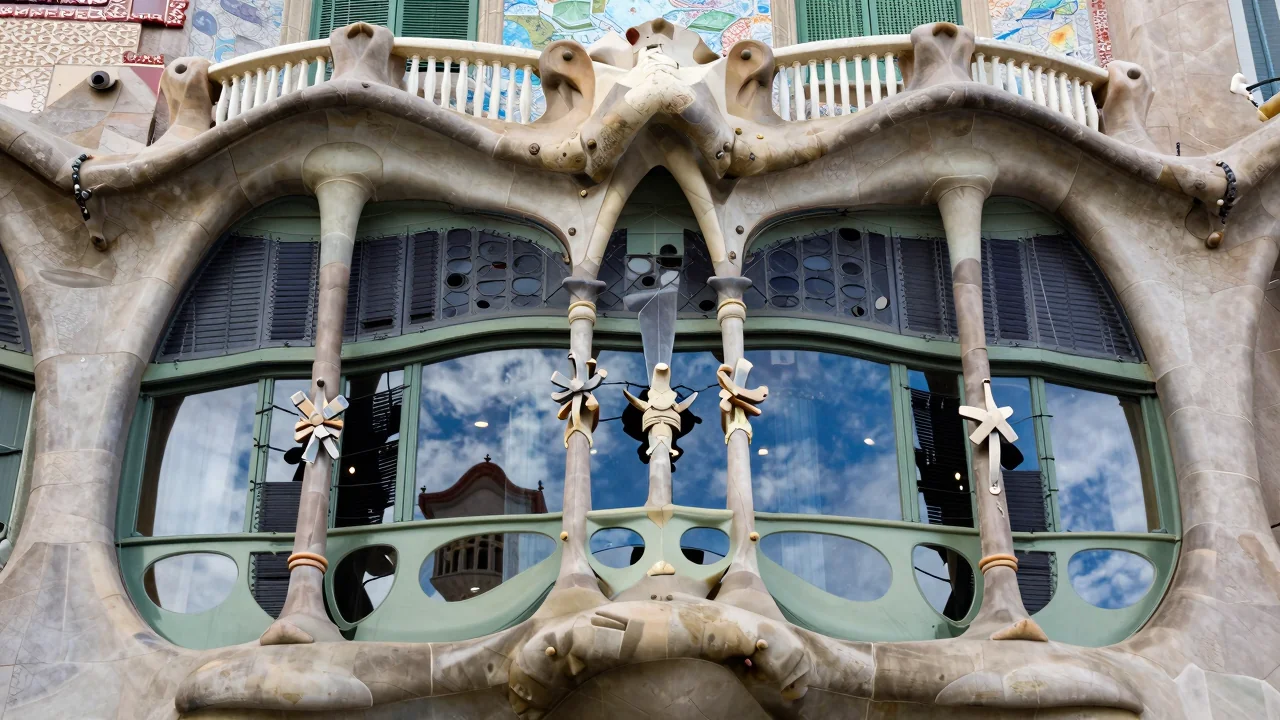
Spain is a treasure trove of architectural marvels, each telling a story of its rich history and cultural evolution. From the Roman aqueducts of Segovia to the modernist masterpieces of Antoni Gaudí in Barcelona, the country’s architectural landscape is as diverse as it is breathtaking. For travelers seeking to delve into this heritage, guided tours of Spain’s architectural landmarks offer an unparalleled way to experience the country’s artistic and historical legacy.
Spain’s architectural heritage is a tapestry woven with influences from various civilizations, including the Romans, Moors, and Christians. This blend of styles has created a unique architectural identity that continues to captivate visitors from around the world. Understanding the historical significance of these structures enhances the appreciation of their beauty and craftsmanship.
To explore the depth of Spain’s architectural history, you can visit Spain’s architectural heritage, which provides a comprehensive overview of the country’s architectural evolution.
Top Architectural Landmarks in Spain
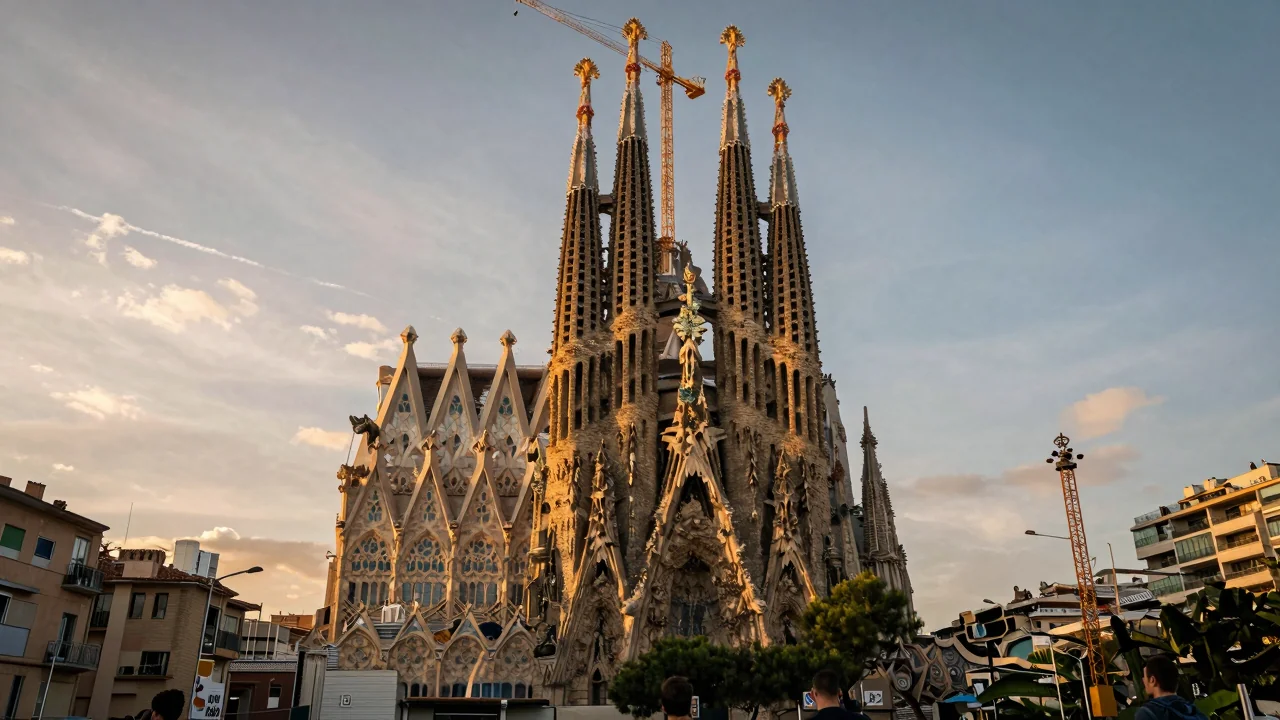
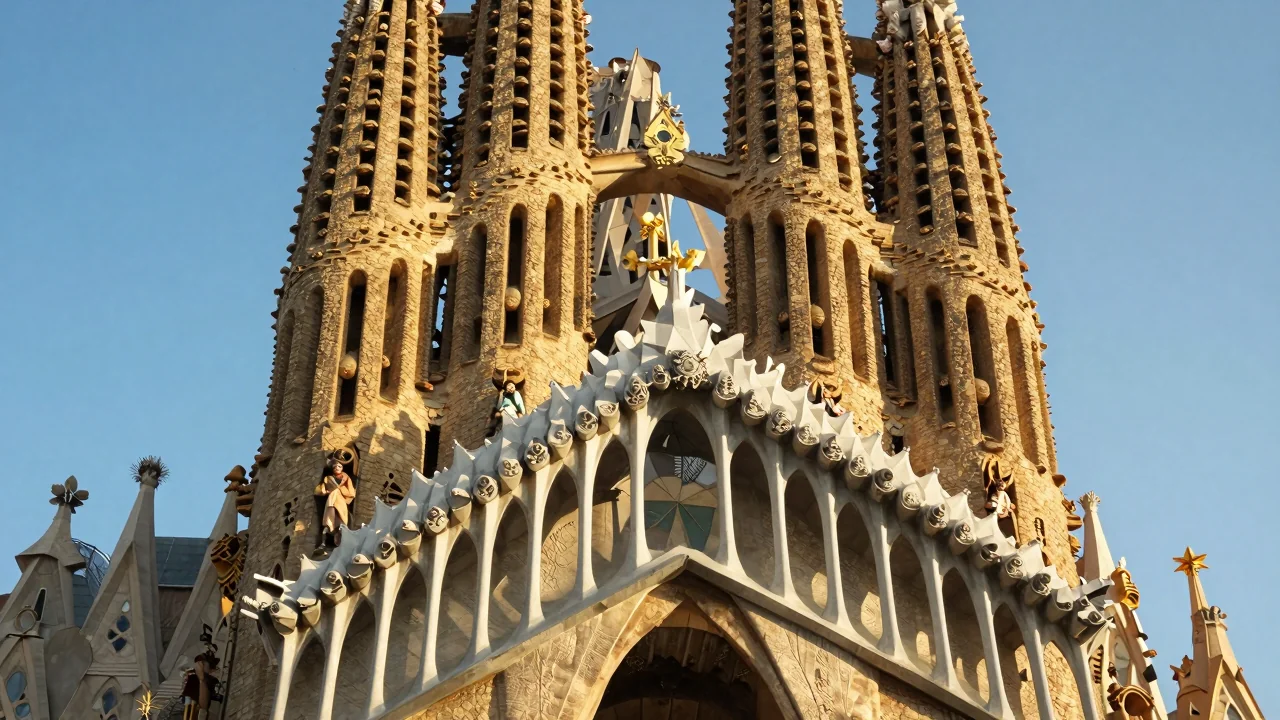
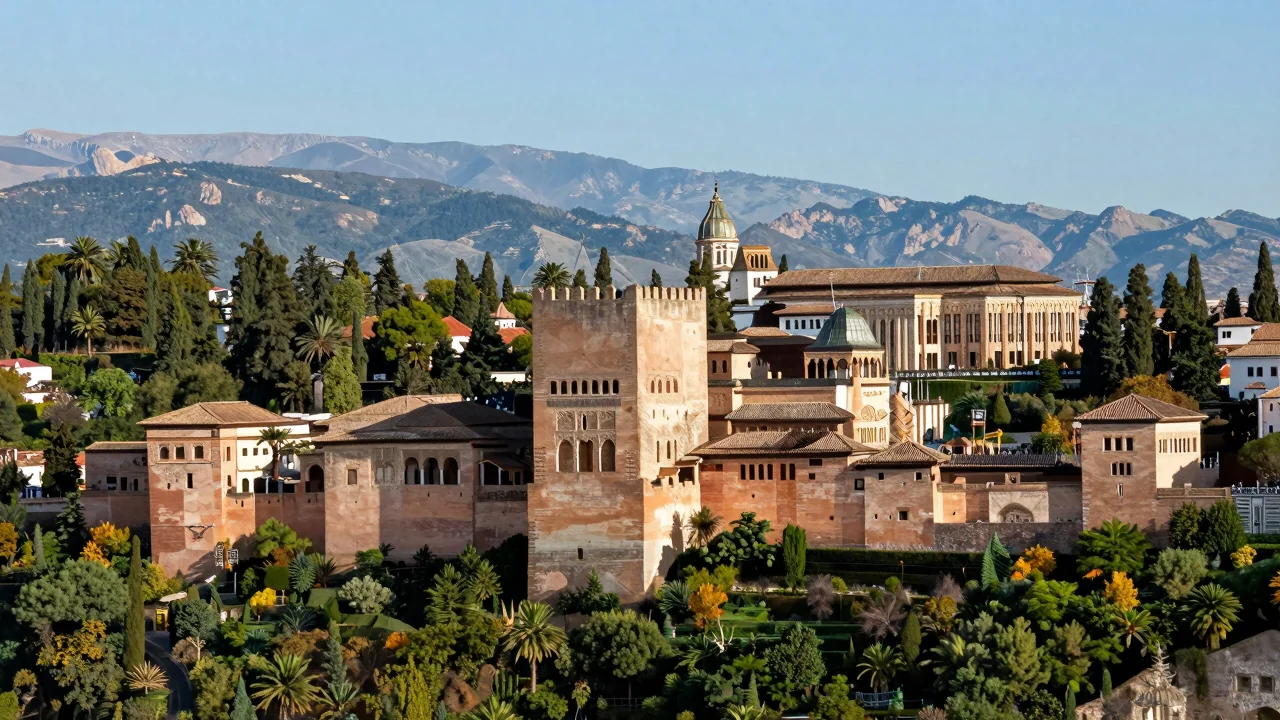
Spain boasts an impressive array of architectural landmarks that span various periods and styles. Among the most notable are the Sagrada Família in Barcelona, an unfinished masterpiece by Antoni Gaudí, and the Alhambra in Granada, a stunning example of Moorish architecture. Other must-visit sites include the Gothic Cathedral of Seville, the Roman Theatre of Mérida, and the futuristic City of Arts and Sciences in Valencia.
For those interested in exploring the top landmarks in Spain, resources like top landmarks in Spain offer detailed guides and travel tips to help plan your itinerary.
Each of these landmarks offers a unique glimpse into Spain’s architectural prowess and historical significance. Whether you’re an architecture enthusiast or a casual traveler, these sites are sure to leave a lasting impression.
Guided Tour Options for Architecture Enthusiasts
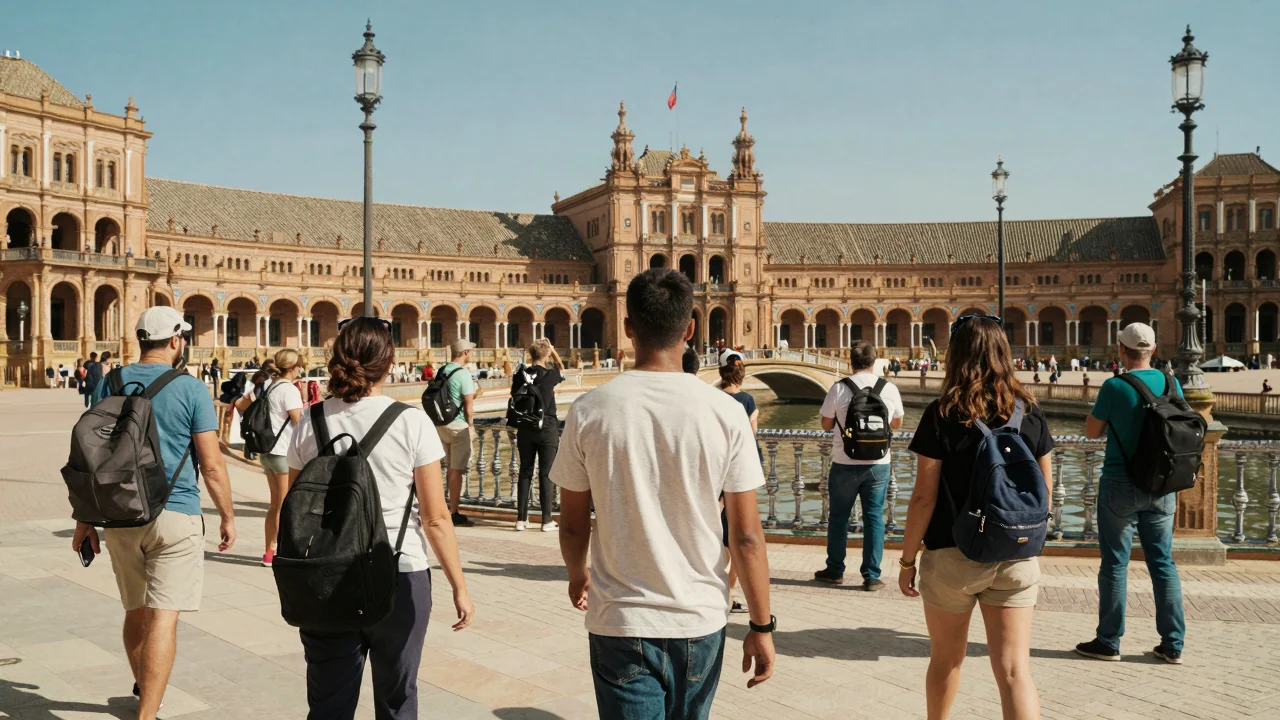
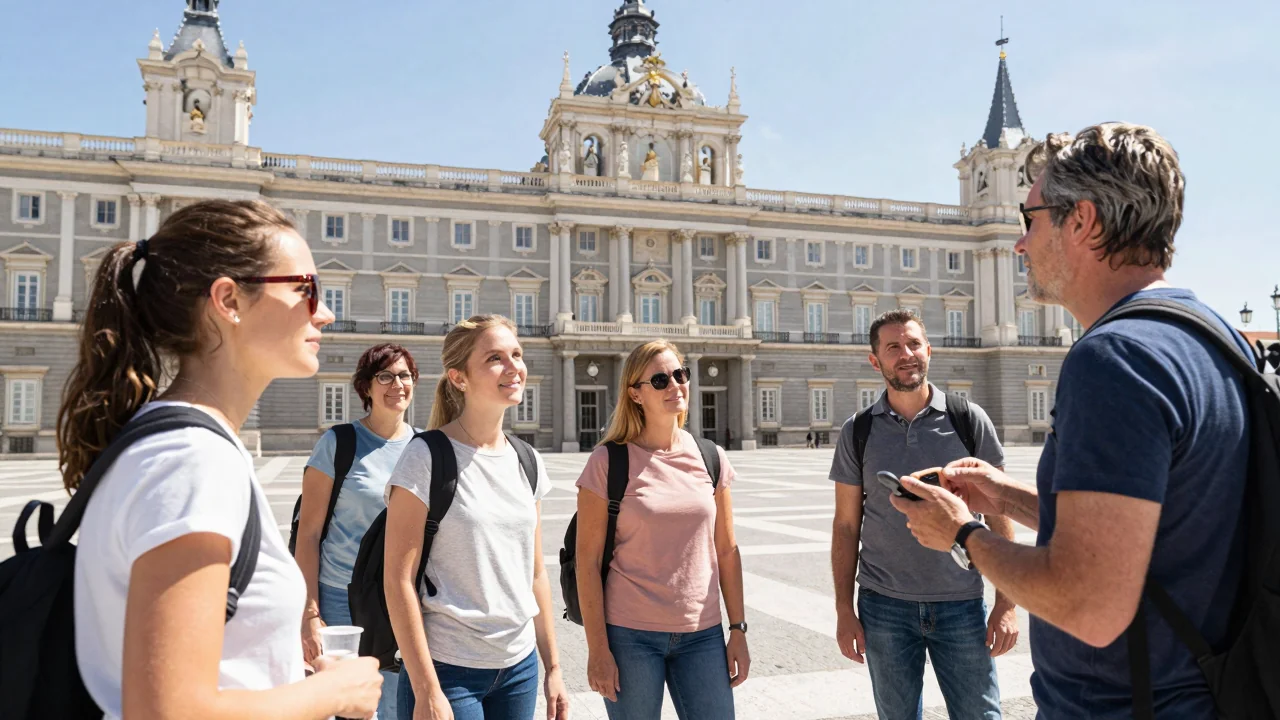
Guided tours of Spain’s architectural landmarks provide an in-depth understanding of the country’s rich architectural history. These tours are led by expert guides who offer insights into the design, construction, and historical context of each site. Whether you prefer small group tours, private excursions, or themed tours focusing on specific architectural styles, there are numerous options to suit your preferences.
Many tour companies offer specialized tours that cater to different interests, such as Gaudí’s works in Barcelona, the Islamic architecture of Andalusia, or the modernist buildings of Valencia. These tours often include skip-the-line access, ensuring you make the most of your time at each landmark.
For those looking to explore beyond the well-known sites, guided tours also provide access to lesser-known architectural gems that are equally fascinating.
Choosing the Right Tour Company
Selecting the right tour company is crucial for a memorable and enlightening experience. Look for companies that specialize in architectural tours and have a proven track record of delivering high-quality experiences. Reviews and recommendations from fellow travelers can be invaluable in making an informed decision.
To find the best guided tours in Europe, you can explore resources like best guided tours in Europe, which provide a wealth of information and user reviews to help you choose the perfect tour for your needs.
Additionally, consider the tour’s duration, group size, and the expertise of the guides. A well-organized tour with knowledgeable guides can significantly enhance your understanding and appreciation of Spain’s architectural wonders.
Best Time to Visit for Architecture Tours
The best time to visit Spain for architecture tours is during the spring and fall seasons when the weather is pleasant, and the tourist crowds are smaller. These seasons offer ideal conditions for exploring outdoor landmarks and enjoying the architectural beauty without the summer heat or winter chill.
Spring, particularly from April to June, brings vibrant colors and mild temperatures, making it a popular time for architecture tours. Fall, from September to November, offers similar advantages with the added benefit of harvest festivals and cultural events that enhance the travel experience.
Summer can be quite hot, especially in southern regions like Andalusia, but it’s also a time when many cultural events and festivals take place, adding a dynamic element to your architectural exploration.

Complementary Activities Beyond Architecture
While Spain’s architectural landmarks are the main attraction, there are numerous complementary activities that can enrich your travel experience. Exploring local markets, enjoying traditional cuisine, and participating in cultural events are just a few ways to immerse yourself in the country’s vibrant culture.
For those interested in unique activities for a Spain vacation, resources like unique activities for a Spain vacation offer a variety of suggestions to make your trip unforgettable.
Whether it’s a flamenco show in Seville, a wine tasting in La Rioja, or a hike through the picturesque countryside, these activities provide a well-rounded experience that complements your architectural tours.
Combining Architecture and Beach Vacations
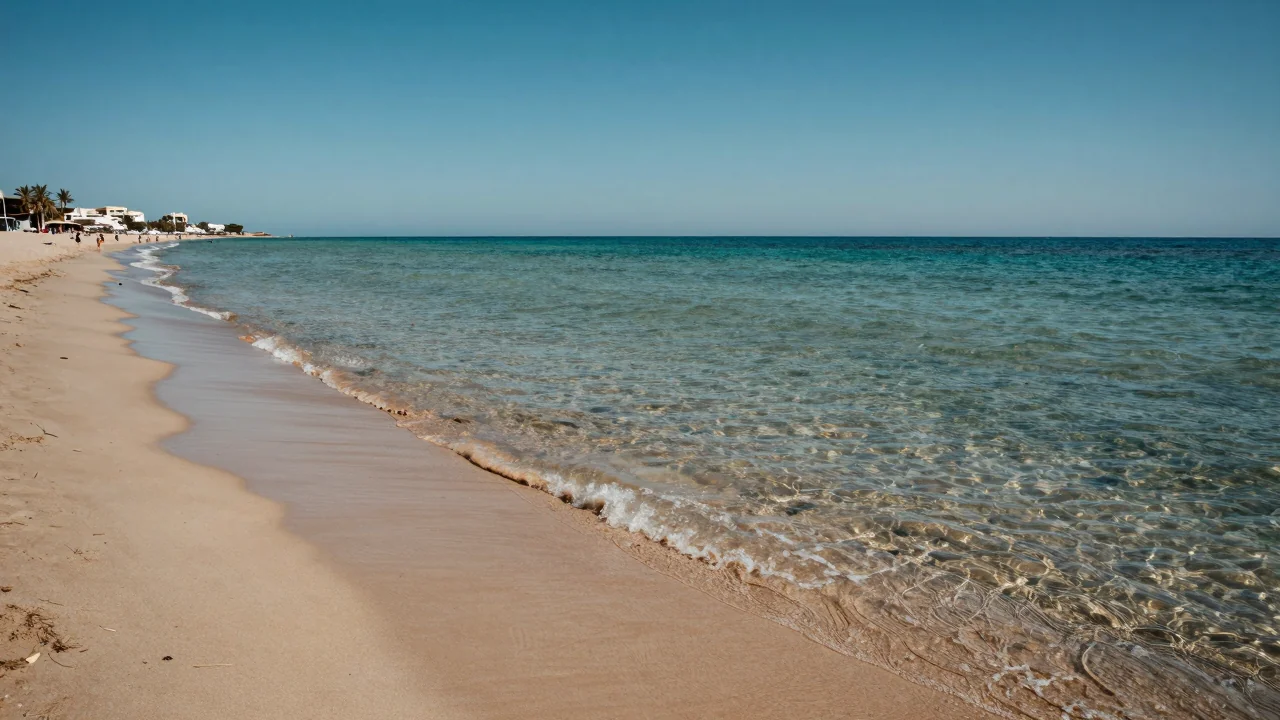
Spain’s diverse landscape allows for the perfect combination of architectural exploration and beach relaxation. Many of the country’s coastal cities, such as Barcelona, Valencia, and Malaga, offer a blend of stunning architecture and beautiful beaches.
For those looking to discover hidden beaches in Spain, resources like hidden beaches in Spain provide insights into some of the most secluded and picturesque coastal spots.
This dual experience allows you to appreciate Spain’s architectural wonders during the day and unwind on its pristine beaches in the evening, creating a balanced and memorable vacation.
Tips for First-Time Visitors
First-time visitors to Spain should plan their itinerary carefully to make the most of their architectural tours. Start with the must-visit landmarks and gradually explore lesser-known sites to avoid overwhelming yourself.
Comfortable walking shoes, a good camera, and a reliable map or guidebook are essential for navigating Spain’s architectural treasures. Additionally, learning a few basic Spanish phrases can enhance your interactions with locals and enrich your overall experience.
Finally, be open to spontaneous discoveries. Some of the most memorable experiences often come from unplanned encounters and unexpected finds along the way.