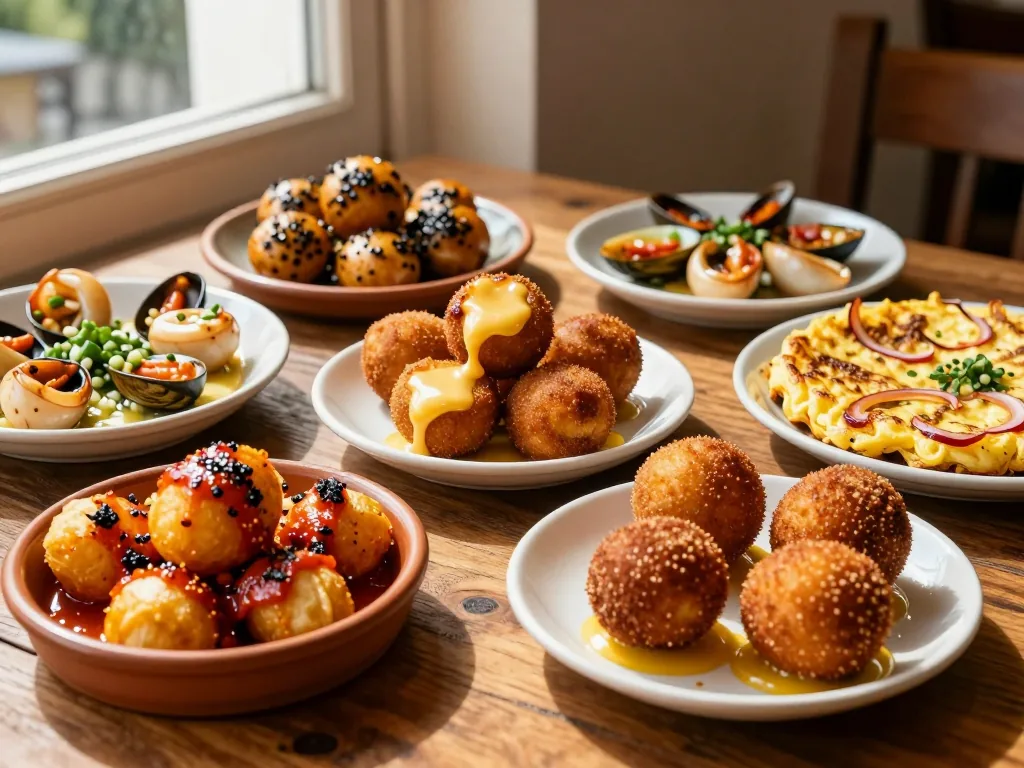
Traditional Spanish dishes you have to try at least once
Spain’s culinary landscape bursts with bold flavors, from rustic stews to refined tapas. Its traditional cuisine weaves a rich tapestry of tastes and textures, delighting food lovers everywhere. Here, we showcase ten iconic dishes that promise an unforgettable journey through Spanish gastronomy. Whether you’re a seasoned traveler or a curious foodie, these dishes will transport you to Spain’s sunlit streets and lively markets. Get ready to savor the authentic flavors that have earned Spanish cuisine worldwide fame.
The Essence of Spanish Cuisine
Spain’s culinary landscape mirrors its diverse terrain—mountains, sun-drenched coastlines, and fertile valleys. This variety has shaped a rich tapestry of flavors and techniques, each tied to its region. Andalusia’s vibrant tapas culture contrasts with Galicia’s hearty seafood stews, offering distinct gastronomic identities.
In Andalusia, dishes like gazpacho—a chilled soup of tomatoes, cucumbers, and peppers—and pescaíto frito (fried fish) reflect Mediterranean influences. Valencia, home of paella, highlights rice and saffron’s role in Spanish cooking. Galicia’s pulpo a la gallega (octopus) and empanada gallega (savory pastry) showcase the Atlantic coast’s seafood and rustic traditions. Inland, Castilian dishes such as cocido madrileño (chickpea stew) and lechazo asado (roast suckling lamb) embody the hearty, meat-centric cuisine of the central plateau.
Food is woven into Spain’s cultural fabric. Meals foster community, celebration, and tradition. Tapas bars serve as social hubs, while festivals like La Tomatina and San Fermín highlight food’s role in festivities. Historically, Spain’s position as a crossroads—from Romans and Moors to New World explorers—has shaped its cuisine. Ingredients like tomatoes, potatoes, and chili peppers, introduced from the Americas, now define many iconic dishes. Moorish influence lingers in spices like cumin and saffron, as well as slow-cooking techniques and pastries.
Experiencing Spanish cuisine is a journey through history, geography, and culture—one filled with unforgettable flavors and a deeper appreciation for the country’s culinary soul.
1. Paella: The Iconic Valencian Dish
Exploring Spanish cuisine isn’t complete without trying paella, the vibrant, flavorful rice dish from Valencia. More than just food, this iconic dish is a cultural symbol of Spain—celebrated for its simplicity, fresh ingredients, and the joy it brings to any meal.
Traditional Ingredients
Authentic paella Valenciana relies on key ingredients: short-grain rice (like Bomba or Senia), saffron, olive oil, and garlic. The protein base traditionally includes rabbit, chicken, and sometimes duck, along with snails or ferraura (a local green bean). Tomatoes, paprika, and rosemary add depth to its savory flavor.
As paella spread across Spain, regional variations emerged, reflecting local tastes and ingredients. Coastal areas like Alicante popularized seafood paella (paella de marisco), featuring shrimp, mussels, and squid. Other regions developed mixed paella (paella mixta), combining meat and seafood—a departure from the original Valencian recipe. These adaptations highlight paella’s flexibility while preserving its essence.
Cooking Techniques
The secret to great paella lies in technique. The paellera, a wide, shallow pan with sloping sides, ensures even cooking and helps create socarrat, a crispy rice layer at the bottom. Traditionally, paella cooks over an open flame—whether wood fire or gas burner—for smoky richness.
Perfecting socarrat takes patience. The rice must cook long enough to crisp lightly without burning. Some cooks tilt the pan for even browning, while others adjust the heat in the final moments. The crackling sound signals socarrat’s formation.
Best shared at a lively market or a family gathering, paella dazzles with its bright colors, bold flavors, and rich history—making it a must-try for anyone seeking Spain’s unforgettable tastes.
2. Tortilla Española: The Humble yet Mighty Omelette
The Tortilla Española, or Spanish omelette, is a culinary icon that perfectly balances simplicity and rich flavor. This beloved dish—eggs, potatoes, and sometimes onions—has won over food lovers around the world. Its versatility makes it a staple in Spanish homes, whether served as a tapa, main course, or even between slices of fresh bread.
Classic Preparation
At its heart, the Tortilla Española celebrates the beauty of simple cooking. The traditional method starts with thinly slicing potatoes and frying them in olive oil until tender. The key is slow, gentle cooking—golden but not browned. Onions, if used, are caramelized to a sweet, translucent state, adding depth. The fried potatoes (and onions) are mixed with beaten eggs, seasoned with salt, and cooked on low heat in the same olive oil. The real skill comes in flipping it—either onto a plate and back into the pan or directly in the pan for the bold cook. The result? A creamy interior with a delicate crisp edge.
For decades, debates have raged over onions—purists prefer just potatoes and eggs, while others swear by their sweetness. Either way, the Tortilla Española’s charm lies in its adaptability while keeping its soul intact.
Modern Twists
While the classic version remains a favorite, modern takes introduce creative variations that honor tradition while experimenting. Some chefs add roasted red peppers, goat cheese, or smoked paprika for extra flavor. Others incorporate seasonal veggies like zucchini or artichokes, making the tortilla a canvas for fresh ingredients. Yet, the essence—eggs and potatoes—stays the same.
Its versatility extends to serving styles. As a tapa, it’s sliced into small bites, drizzled with olive oil or sprinkled with sea salt. For a heartier meal, pair it with a fresh salad or crusty bread. Some even enjoy it as a sandwich in pan de cristal (crystal bread). Warm or at room temperature, the Tortilla Española always delights. Its unassuming nature belies its deep impact on Spanish cuisine, making it a must-try for an authentic taste of Spain.
3. Gazpacho: The Refreshing Andalusian Soup
Gazpacho embodies Andalusia’s spirit—a chilled, vibrant soup perfect for scorching summer days. This traditional dish transforms simple, fresh ingredients into a flavorful masterpiece, making it a must-try for anyone exploring Spanish cuisine. Its bright, tangy flavors and cooling texture make it an instant favorite, whether enjoyed as a starter or a light meal.
Authentic Recipe
Ripe tomatoes, cucumbers, green bell peppers, garlic, and stale bread form gazpacho’s core. Tomatoes provide a sweet, tangy base, while cucumbers and peppers add freshness and crunch. Garlic brings depth, and stale bread thickens the soup naturally. Olive oil, vinegar, and salt balance the flavors, with traditional recipes omitting water to let the vegetables create a rich, velvety texture.
For the best taste, balance is key. Vinegar’s acidity and garlic’s sharpness should harmonize with the tomatoes’ natural sweetness. Many cooks soak the stale bread in water before blending to soften it, ensuring a smooth consistency. Chill the soup for at least a few hours before serving to enhance its refreshing qualities.
Serving and Pairing
Gazpacho is traditionally served in deep bowls, often garnished with croutons, diced cucumber, bell pepper, and fresh herbs like parsley or cilantro. Hard-boiled eggs, sliced and placed on top, add a rich contrast. Some variations include drizzling extra virgin olive oil or a splash of sherry vinegar for extra flavor.
This dish is incredibly versatile—ideal for hot summer days or paired with tapas and a simple salad for a more substantial meal. Gazpacho works as an appetizer or a light lunch, with its bright, zesty profile making it an excellent palate cleanser.
Whether enjoyed in an Andalusian tavern or made at home, gazpacho captures Spain’s culinary soul—a dish that’s as refreshing as it is deeply satisfying.
4. Jamón Ibérico: Spain’s Prized Cured Ham
Few dishes capture Spain’s culinary heritage like Jamón Ibérico, its celebrated cured ham. Made from Iberian pig legs, this delicacy stands out for its rich flavor, tender texture, and meticulous preparation. To truly appreciate Spanish cuisine, tasting authentic Jamón Ibérico is essential—especially when sourced from top regions like Jabugo, Guijuelo, or Huelva.
What Makes It Special
The Iberian pig (cerdo ibérico) gives Jamón Ibérico its magic, particularly its diet and upbringing. These pigs roam oak forests, feasting on acorns (bellotas), grasses, and herbs. This natural diet enriches the meat’s flavor, far surpassing conventional pork.
The grading system helps identify quality. The finest, Jamón Ibérico de Bellota, comes from pigs fed only acorns during their final fattening period. These hams are prized for their marbling, sweetness, and complex aroma. Jamón Ibérico de Cebo de Campo follows, with pigs raised in open pastures but supplemented with feed. The lowest grade, Jamón Ibérico de Cebo, comes from commercially fed pigs, though still cured traditionally.
How to Enjoy It
Jamón Ibérico shines when served simply. Classic ways to enjoy it include:
- Sliced Thinly: Served at room temperature, hand-sliced or with a specialized knife (jamonero).
- On a Platter: Arranged on a wooden board, often with crusty bread, Manchego cheese, or marcona almonds.
- With Tapas: Paired with sherry, fino, or manzanilla wine for an authentic Spanish experience.
When choosing Jamón Ibérico, look for deep red or purple marbling, a firm yet yielding texture, and a rich, nutty aroma. Avoid overly dry or pale cuts, as these signal lower quality. For the best experience, opt for whole legs (palo) or vacuum-packed slices from trusted producers.
Whether shared at a festive gathering or savored alone, Jamón Ibérico delivers a taste of Spain’s culinary soul—one that lingers long after the last bite.
5. Pulpo a la Gallega: A Taste of Galicia
No exploration of Spanish cuisine is complete without savoring Pulpo a la Gallega, a dish that embodies the rustic charm and maritime heritage of Galicia. This traditional delicacy features tender octopus, slow-cooked to perfection and infused with the rich flavors of smoked paprika and high-quality olive oil. Its simplicity belies its deep cultural significance, making it a must-try for any food enthusiast.
Traditional Preparation
The key to an exceptional Pulpo a la Gallega lies in the preparation of the octopus. The process begins with simmering the octopus in a copper or stainless-steel pot, often with a few potatoes, until the flesh becomes tender yet firm—a delicate balance achieved through patience and careful timing. Some cooks add a splash of vinegar or a bay leaf to the boiling water to enhance the octopus’s natural sweetness.
Once cooked, the octopus is sliced into even, bite-sized pieces and arranged on a wooden platter or ceramic dish. The dish is then drizzled with a generous helping of olive oil, sprinkled with smoked paprika (pimentón de la Vera), and finished with coarse sea salt. The paprika not only adds a subtle smokiness but also a vibrant red hue that contrasts beautifully with the glossy, caramelized octopus. Some variations include a few drops of Galician olive oil or a pinch of coarsely ground black pepper for added depth.
Cultural Context
Pulpo a la Gallega is more than just a dish—it’s a symbol of Galician identity and communal celebration. In coastal villages and towns, octopus has long been a staple of local diets, harvested from the region’s abundant waters. The dish is a staple at ferias (festivals) and family gatherings, where it is often served as part of a larger spread alongside crusty bread, white wines, and other Galician specialties like empanadas or queso de tetilla.
In Galicia, Pulpo a la Gallega is traditionally enjoyed in tabernas (taverns) and pulperías (octopus restaurants), where the dish is often accompanied by Albariño wine, a crisp, aromatic white wine native to the region. The communal nature of the meal reinforces its role in bringing people together, whether for a casual lunch or a festive occasion.
For visitors, tasting Pulpo a la Gallega is a journey into Galicia’s soul—a dish that captures the essence of its land, sea, and people. Whether enjoyed in a bustling market in Santiago de Compostela or a quiet seaside village, this humble yet profound dish is a testament to Spain’s culinary heritage.
6. Cocido Madrileño: Madrid’s Hearty Stew
Cocido Madrileño captures the warmth and richness of Madrid’s culinary tradition. This iconic stew, often called the capital’s soul food, is a must-try for anyone seeking an authentic taste of Spain. Its comforting flavors and nourishing ingredients make it a winter staple in Madrid households.
Ingredients and Variations
The dish centers on three main components: vegetables, meats, and legumes. The vegetable base includes cabbage, potatoes, carrots, and garbanzo beans, forming a robust foundation. Meats like chorizo, morcilla, and sometimes panceta or chicken add depth, with the garbanzos absorbing their rich flavors during slow cooking.
Regional variations exist. In León, Cocido Maragato serves meats first, followed by broth and vegetables—a reversal of tradition. Castilla-La Mancha might include extra spices or local sausages. Despite these differences, the dish remains a celebration of slow-cooked comfort.
Cooking Method
The key to Cocido Madrileño lies in its slow, low cooking—often for hours—allowing flavors to meld. Garbanzos are soaked overnight before simmering with meats and vegetables, creating a rich, gelatinous broth. Served in three courses, it begins with the broth, often enhanced with garlic, paprika, or lemon. Next come the vegetables and meats, followed by the garbanzos, sometimes mashed into a creamy texture.
Tradition plays a role in serving. In Madrid, it’s typically enjoyed at midday with crusty bread and red wine. Some families use a special pot just for this dish, passing down recipes through generations. The slow cooking and layered flavors ensure every bite reflects patience and tradition.
Whether in a tapas bar or a family home, trying Cocido Madrileño offers a culinary journey into Spain’s heart. Its deep, satisfying flavors and time-honored preparation make it unforgettable.
7. Churros: The Beloved Spanish Pastry
Churros are a must-try for anyone exploring traditional Spanish cuisine. This beloved pastry, crispy on the outside and tender within, is best enjoyed fresh.
Classic Recipe
Making churros at home is simple, yielding golden, crispy treats perfect with thick, rich chocolate sauce. Begin with a mixture of water, flour, and a pinch of salt. The secret to crispness lies in frying: heat vegetable oil to a moderate temperature, then pipe the dough directly into it using a churro maker or a star-shaped nozzle. Fry until deep golden brown, then drain on paper towels. For authenticity, roll warm churros in sugar.
The chocolate dipping sauce is just as essential. A classic Spanish recipe combines dark chocolate, heavy cream, and a hint of cinnamon. Heat the ingredients in a saucepan, stirring until slightly thickened, for a velvety sauce that complements the churros’ crisp texture.
Cultural Role
Churros are deeply rooted in Spanish culture, often served as breakfast or a sweet treat during celebrations. Their convenience makes them popular among early risers and late-night snackers. Churrerías—small shops dedicated to churros—are common, offering quick bites for those on the go.
Beyond daily life, churros are central to Spanish festivals. During Christmas and Easter, they become a cherished tradition, bringing families together. Notable spots for authentic churros include Madrid’s Chocolatería San Ginés, serving since 1894, and Barcelona’s bustling street markets with fresh batches daily.
Whether as a morning pick-me-up or late-night indulgence, churros symbolize Spain’s rich culinary heritage—a delicious way to experience the country’s vibrant food culture.
8. Patatas Bravas: Spain’s Spicy Potato Tapas
Patatas bravas stands out as one of Spain’s most iconic tapas dishes, celebrated for its bold flavors and simple yet satisfying ingredients. Crispy fried potato chunks get topped with a spicy tomato sauce, often paired with creamy aioli. The name—“fiery potatoes”—captures the dish’s essence: bold, spicy, and utterly addictive.
Traditional vs. Modern Versions
The classic patatas bravas recipe is straightforward. Potatoes are cut into small, irregular pieces, fried until golden, then smothered in a spicy tomato sauce made with garlic, paprika, and chili peppers. The aioli, a garlicky mayonnaise, balances the heat.
Across Spain, regional twists and modern interpretations keep the dish exciting. In Madrid, the sauce leans tomato-forward, while Catalonia might add vinegar or smoked paprika. Some versions include melted cheese, roasted peppers, or truffle oil, ensuring no two servings are exactly alike.
Serving Suggestions
Patatas bravas shine as part of a larger tapas spread. They pair well with fried tapas like croquetas or calamares, as well as lighter dishes such as tortilla española or pan con tomate. Balance the richness with a crisp white wine—Albariño or Verdejo—or a light beer like Estrella Damm.
At a tapas bar, ask how the patatas bravas are prepared to get a sense of the chef’s style. Whether you prefer tradition or enjoy modern takes, this dish is a must-try, embodying the vibrant, flavorful spirit of Spanish cuisine.
9. Seafood Delicacies: Beyond Pulpo
Spain’s coastal regions boast seafood dishes that rival even the famous pulpo a la gallega (Galician-style octopus). For an authentic culinary adventure, go beyond octopus and explore the vibrant flavors of Spain’s maritime traditions.
Popular Coastal Dishes
Two standout dishes that capture the essence of Spanish seafood are boquerones en vinagre and gambas al ajillo. Boquerones en vinagre features fresh anchovies marinated in vinegar, garlic, and parsley, offering a bright, tangy bite often served as a tapa. Meanwhile, gambas al ajillo—sautéed shrimp in garlic, olive oil, and chili—is a sizzling favorite, best enjoyed straight from the pan with crusty bread.
Regional specialties add depth to Spain’s seafood repertoire. In the Basque Country, merluza en salsa verde (hake in green sauce) combines tender white fish with a velvety parsley and almond-based sauce. Down in Andalusia, ortiguillas—tiny fried sea anemones—are a delicacy with a crisp, briny crunch. Each dish reflects local fishing traditions and ingredients, making them unforgettable for seafood lovers.
Sourcing Fresh Seafood
The key to authentic preparation is selecting the freshest seafood. In Spanish markets, look for vibrant, clear-eyed fish, firm flesh, and a clean, oceanic scent. Shrimp should have a pinkish hue and a slight sheen, while anchovies should smell faintly of the sea—never overly fishy.
For boquerones en vinagre, use ultra-fresh anchovies to avoid a strong fishy taste. Soak them briefly in milk or water to remove excess salt, then marinate in a simple vinegar, garlic, and parsley mixture for the right balance of acidity and freshness. Gambas al ajillo requires high-heat cooking to achieve crispy, garlicky shrimp without overcooking. A splash of dry sherry or white wine adds complexity.
Whether dining at a seaside chiringuito (beachside bar) or cooking at home, these dishes offer a taste of Spain’s coastal soul. From the Basque Country to Andalusia, each bite tells a story of tradition, freshness, and the ocean’s bounty.
10. Sweet Endings: Traditional Spanish Desserts
No trip to Spain is complete without savoring its rich, indulgent desserts. These sweets reflect the country’s history, blending Moorish influences with local ingredients to create treats that are as culturally rich as they are delicious. Whether you crave creamy custards, caramelized delights, or nutty cakes, these desserts provide the perfect finale to any meal.
Classic Desserts
Spain’s most famous desserts often highlight simple, high-quality ingredients, letting their flavors shine. Flan, a creamy caramel custard, is a staple in Spanish homes and restaurants. While its origins trace back to the Roman Empire, the Spanish version was perfected over centuries, with the caramelized sugar topping adding a delightful contrast to the smooth custard. Crema catalana, Spain’s take on crème brûlée, features a velvety vanilla-infused custard with a crisp, burnt-sugar crust. This dessert dates back to medieval times and was traditionally enjoyed on Saint Joseph’s Day, though it’s now a year-round favorite.
Almond lovers must try tarta de Santiago, a dense, moist cake made from ground almonds, sugar, and eggs. Often dusted with powdered sugar or the distinctive Cross of St. James, this dessert originated in Galicia and was historically made by pilgrims on the Camino de Santiago, who relied on its nutritious ingredients for sustenance.
Making Them at Home
Recreating these desserts at home is simpler than you might think, and they make fantastic additions to festive gatherings. Flan requires just eggs, sugar, milk, and vanilla extract, baked in a water bath for a silky texture. Once chilled, the caramel topping softens into a luscious sauce. For crema catalana, a mix of milk, egg yolks, cinnamon, and citrus zest is gently cooked and caramelized with sugar just before serving. The key is patience—letting the custard set properly ensures the perfect texture.
Tarta de Santiago needs minimal baking time and relies on almond flour, sugar, and eggs for its rich, nutty flavor. A sprinkle of powdered sugar and the Cross of St. James emblem—traditionally etched with a knife—gives it an authentic touch. Serve these desserts with a cup of Spanish coffee or a sweet dessert wine like Moscatel for an elevated experience.
Whether enjoyed in a bustling tapas bar or at a family celebration, these traditional Spanish desserts are more than just sweet treats—they’re a delicious way to connect with Spain’s culinary heritage.
Conclusion
Exploring Spain’s traditional dishes offers a delicious dive into its culinary heritage. Each bite—whether from a sizzling paella or a flavorful tapa—reveals the country’s vibrant culture. Food lovers and curious travelers alike will find these must-try dishes unforgettable. Ready your appetite, book your trip, and savor these gastronomic treasures—your taste buds will thank you!