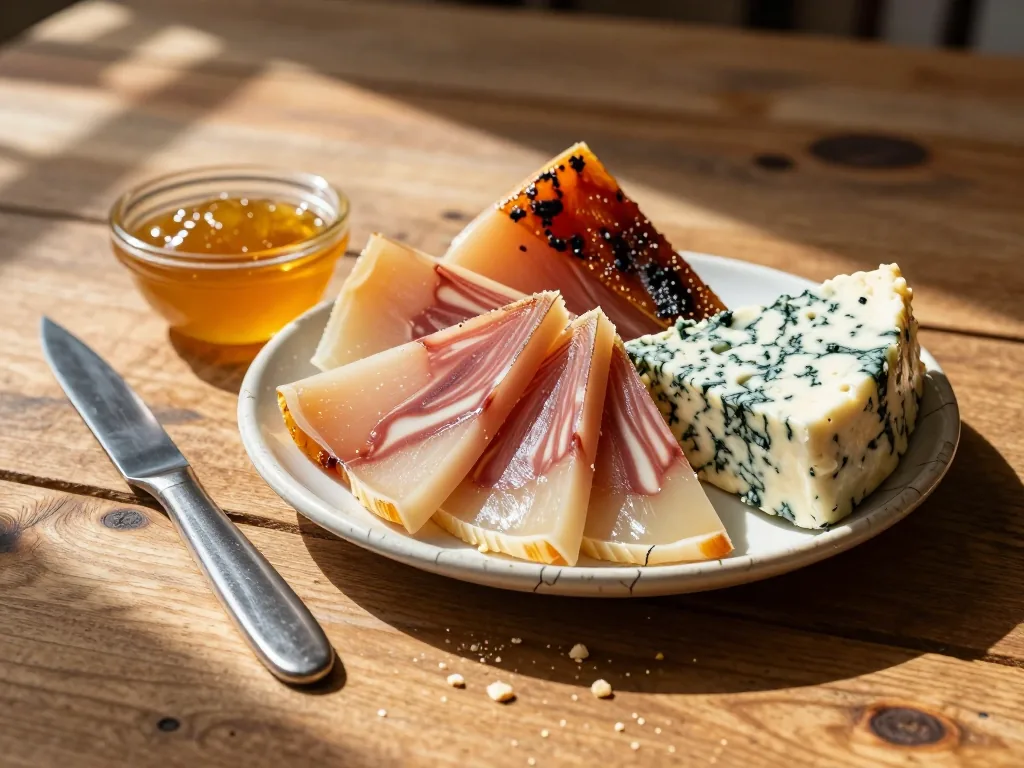
Spain’s cheese culture is a hidden treasure chest, yet for most travelers, the journey begins and ends with a wedge of Manchego. Beyond that famous sheep’s milk staple, though, lies a landscape of smoky, creamy, and boldly pungent wonders—from the volcanic peaks of the Canary Islands to the lush green valleys of Asturias. Curated for 2026, this guide cuts through the tourist menus to hand you the twelve essential varieties that define the country’s true dairy soul. Whether you’re a curious taster planning a road trip or a home cook hunting for the next cheese-board star, you’ll walk away with a clear, expert-backed map: what to buy, where to find it, and exactly how to savor each unforgettable bite.
Understanding Spain’s Cheese Landscape in 2026
Spain’s cheese scene in 2026 is a study in controlled diversity, where ancient pastoral traditions meet a modern regulatory framework that rewards specificity. The most important concept to grasp is the Protected Designation of Origin (PDO), a European Union status that currently shields 28 Spanish cheeses. Each PDO is tethered to a precise geographic zone and a rigid production method—a cheese cannot simply be “styled after” a region; it must be born, raised, and finished there. The definitive reference is the official “Map of Cheeses of Spain” (Mapa de Quesos de España), updated by the Spanish Ministry of Agriculture in 2026. This map is no tourist brochure; it is a legal and practical guide plotting every PDO cheese against its production area, from the Asturian highlands to the volcanic soils of the Canary Islands. For the curious eater, it decodes why a Manchego from La Mancha tastes radically different from a similar-looking sheep’s milk wheel from Zamora—the PDO seal is your guarantee that you are tasting a place, not just a recipe.
Reading a Spanish cheese label in 2026 requires a quick lesson in transparency. Beyond the obligatory PDO logo and the regulatory council’s name (Consejo Regulador), look for three key details. First, the milk type: cow (vaca), sheep (oveja), goat (cabra), or a deliberate mix (mezcla). Second, the aging time, always stated in Spanish terms—curado (cured, typically 1–3 months), semicurado (semi-cured), or viejo (old, often 6 months or more). Third, the region of origin, which will be more specific than a province. In a notable 2026 shift, many artisanal producers now voluntarily list the specific animal breed, such as “Manchega” for sheep or “Flor de Guía” for a rare goat. This is not mere vanity; it signals higher traceability and often a more complex flavor profile. When you see that detail, you are likely holding a small-batch cheese, priced accordingly—expect €15 to €35 per kilogram for such breed-specific wheels, versus €8 to €20 for standard PDO offerings. This label-reading habit will be your most reliable tool as you navigate the twelve varieties ahead, ensuring you never mistake a mass-produced imitation for the real, regional treasure.
The Essential 12 Varieties for Beginners
Ready to move past the ubiquitous Manchego wedge on every tapas counter? Spain’s cheese landscape unfolds into a thrilling mosaic of textures, milk types, and aging traditions. These twelve varieties are the perfect entry point. Each one is distinct enough to rewire your expectations, yet approachable enough to enjoy without a sommelier’s diploma.
The Iconic Sheep’s Milk Cheeses
Manchego is the non-negotiable starting point—but only if you grasp its range. Made exclusively from Manchega sheep in La Mancha (Albacete, Ciudad Real, Cuenca, Toledo), it must age at least 60 days, though wheels under 1.5 kg can be released after just 30. Young versions taste grassy and mild, with a springy paste. Aged wheels (12+ months) develop deep nuttiness and caramelized, almost toffee-like notes, complete with crunchy tyrosine crystals. For a completely different sheep’s milk experience, seek Idiazábal from the Basque Country and Navarre. Produced only from Latxa or Carranzana sheep, it’s traditionally smoked over beech wood. The result: a firm, slightly rubbery texture and a smoky, buttery finish that lingers like a campfire memory.
The Bold and the Blue
Asturias owns Spain’s blue cheese crown. Cabrales is the heavyweight—a blend of cow, sheep, and goat milk, aged 2 to 5 months in natural limestone caves. It’s pungent, spicy, and intensely earthy, with a creamy yet crumbly paste that demands bold red wine or cider. Valdeón, also Asturian, is wrapped in chestnut or sycamore leaves. It offers a creamier, less aggressive profile—still blue, still bold, but with a softer, more approachable bite.
The Coastal and Island Stars
From Menorca, Mahón-Menorca boasts a striking orange rind rubbed with butter or paprika. Young wheels (21 days) are mild and elastic; aged versions (10+ months) turn sharp, crystalline, and salty—perfect with crusty bread. Galicia’s Tetilla, shaped like a pear, is aged just 15 to 45 days. Its soft, milky, slightly tangy paste is heavenly with membrillo (quince paste).
The Lesser-Known Gems Worth Seeking Out
Zamorano (Castilla y León) resembles Manchego but carries a darker, more rustic rind and a deeper, herbaceous flavor from local sheep and mountain pastures. Torta del Casar from Extremadura is a revelation: a soft sheep’s milk cheese set with thistle rennet, yielding a runny interior with a bitter, floral edge. Cut off the top and scoop. Catalonia’s Garrotxa is a goat’s milk cheese with a gray, mold-ripened rind and a lemony, mildly earthy paste—ideal for goat-cheese novices. Roncal from Navarre is firm, pressed, and aged 4 to 7 months—nutty, slightly spicy, with a long savory finish. From the Canaries, Majorero (goat’s milk) is often coated in paprika or gofio, ranging from soft and mild to firm and tangy, with volcanic terroir in every bite. Finally, San Simón da Costa from Galicia is a teardrop-shaped cow’s milk cheese smoked after aging—buttery, subtly smoky, and irresistibly pliable.
How to Buy and Store Spanish Cheese
Where to Buy in Spain and Abroad
The single best way to experience Spanish cheese is to buy it where it’s made. In Spain, skip the supermarket tourist aisle and head to a mercado—like Madrid’s Mercado de San Miguel or Barcelona’s La Boqueria—where stallholders let you taste before you commit. Even better: seek out a dedicated quesería. These specialty shops often age their own wheels and can tell you the exact herd, diet, and curing time. For the most authentic experience, visit PDO-certified producers directly; many small farms in regions like La Mancha, Asturias, or Extremadura welcome visitors and sell at the farm gate. Tourist offices and larger food halls often have a free “Map of Cheeses” poster—a handy guide plotting each PDO region and its signature styles.
Abroad, your best bet is an importer that lists the PDO name and the producer’s region on the label—not just “Manchego” but “Manchego DOP, Quesería La Antigua, La Mancha.” That guarantees provenance and typically better handling. Avoid pre-vacuum-packed slices at all costs; they’ve usually been cut days earlier and lose moisture and aroma rapidly. Instead, buy whole wedges cut to order. A good monger will cut from a fresh wheel, wrap it in breathable paper, and tell you exactly how long it’s been aged. Expect to pay anywhere from €18 to €45 per kilogram for artisanal PDO cheeses, depending on variety and age.
Storage and Serving Temperature
Once you’ve got your wedge, resist the urge to cling-film it. Spanish cheeses are living things; they need to breathe. Store them in the fridge wrapped in wax paper or a damp—not wet—cloth. This maintains humidity without suffocating the rind. Never use plastic wrap: it traps moisture and accelerates ammonia-like off-flavors, especially in aged cheeses like Manchego or Zamorano. Keep the wedge in the vegetable drawer, where temperature is most stable, and use it within one to two weeks for fresh cheeses, or up to a month for cured ones.
The biggest mistake home cheese lovers make is serving straight from the fridge. Cold numbs the palate and masks the complex nuttiness, sheep’s-milk sweetness, and piquant finish that make these varieties special. Remove your cheese 30 to 60 minutes before serving—longer for a dense, aged wheel—and let it come to room temperature. Serve on a wooden board, not marble, which stays cold, with a separate knife for each cheese to avoid cross-contaminating flavors. Arrange from mildest to strongest, and let the cheese sit for at least 10 minutes after cutting so the exposed surfaces can bloom. This simple ritual transforms a good wedge into an unforgettable one.
Pairing Spanish Cheese with Drinks and Accompaniments
The magic of Spanish cheese isn’t just in the wedge—it’s in the conversation it starts with your glass and your plate. In 2026, the best bars from Madrid to San Sebastián treat pairings as a living tradition, not a rigid rulebook. Here’s how to build that conversation at home or at a tasting.
Classic Wine and Cider Pairings
Start with the heavyweights, where regional logic shines. For a well-aged Manchego—the 12-month Reserva, with its crystalline crunch and nutty depth—pour a bold Rioja Reserva; the Tempranillo’s dark cherry and leather notes cut through the sheep’s milk fat. Prefer white? A dry, oaked white from Rueda, think Verdejo aged on lees, offers a creamy counterpoint that mirrors the cheese’s buttery finish. Then there’s the famously funky Cabrales, a blue from Asturias’s Picos de Europa caves. You have two paths: the region’s own slightly effervescent hard cider (sidra), poured from a height to aerate, which cleanses the palate between intense, peppery bites; or a sweet Pedro Ximénez sherry, whose raisined, molasses-like sweetness tames the cheese’s aggressive blue veins. Idiazábal, a smoked Basque sheep’s cheese, loves a young, slightly sparkling Txakoli—its crisp acidity lifts the smoky, caramelized rind—or a light, fruity red from Navarre. Garnacha works beautifully, offering red berry lift without overpowering the smoke. As for Mahón-Menorca from the Balearic Islands, with its salty, orange-rubbed rind and tangy paste, go for a dry white from the islands themselves, often made from the local Prensal Blanc grape, or a crisp, brut Cava; the bubbles scrub away richness and echo the sea-salt minerality.
Sweet and Savory Accompaniments
Traditional pairings are your safety net, and they’re glorious. A drizzle of chestnut honey—or rosemary honey, if you want herbal lift—over a slice of Manchego is a classic for a reason: the floral sweetness amplifies the cheese’s nuttiness. Quince paste (membrillo) is the non-negotiable partner for any aged sheep’s cheese; its dense, jammy texture and gentle acidity provide a perfect foil. Fig jam works wonders with Idiazábal, especially the smoked variety, while toasted almonds add crunch and a hint of bitterness that balances creamy blues like Cabrales. For savory contrast, build a board with crusty sourdough, briny olives (Manzanilla or Arbequina), and sun-dried tomatoes marinated in olive oil—their umami punch stands up to even the strongest cheeses. There are no legal rules for pairings, so experiment freely, but respect the regional wisdom: cider with blues, Rioja with Manchego. These aren’t limitations but starting points, honed over centuries. In 2026, you’ll find modern bars adding wild berries or pickled grapes, yet the core principle remains—let the cheese lead, and let the glass and garnish respond.
Tasting Like a Pro: A Step-by-Step Guide
Building a Tasting Board
The secret to a memorable Spanish cheese board lies in sequencing, not just selection. Start mild and young—try the buttery, cone-shaped Tetilla from Galicia or the soft, herbaceous Garrotxa from Catalonia—to gently wake up your palate. Then move to stronger, aged varieties: Cabrales, the blue-veined powerhouse from Asturias, or an aged Mahón from Menorca, whose salty, piquant edge commands attention. For structure, include at least one sheep’s milk cheese (nutty Zamorano), one cow’s milk cheese (creamy Tetilla works beautifully), and one goat or mixed-milk option, like a fresh Murcia al Vino with its wine-washed rind. Add a smoked Idiazábal, whose Basque shepherd heritage lends a campfire depth, and finish with a soft, spreadable Torta del Casar from Extremadura—at room temperature, it becomes a luscious, spoonable centerpiece. Use small labels or a printed map of Spain marking each cheese’s region; this turns a simple platter into a guided tour. For a board serving six, expect to spend €25 to €45 per selection, depending on market and aging level.
Evaluating Flavor, Texture, and Aroma
Tasting Spanish cheese is a three-step ritual. First, observe: study the rind—ash-coated, washed, or natural?—and note the paste’s color, from ivory to deep amber, and its texture, whether crumbly, dense, or creamy. Next, bring it to your nose and inhale slowly. You might catch grassy, nutty, smoky, or pungent notes; a young Garrotxa smells faintly of fresh hay, while an aged Cabrales hits with ammonia-like intensity. Finally, take a small bite and let it melt on your tongue. Pay attention to the initial flavor—often mild and milky—then the mid-palate evolution, where the character unfolds, and the finish, which can be short, medium, or long. In 2026, many tasting guides recommend sipping still water between cheeses to cleanse the palate; a few even suggest a slice of green apple to reset your taste buds between the strongest blues. Write down your impressions—you will be surprised how much more you notice on the second pass.
Navigating the 2026 Spanish Cheese Market
Trends in Artisan and Raw Milk Cheeses
Spain’s cheese scene is shifting quietly, and the most exciting changes are happening on small farms, especially in the damp, green north. Producers are reviving rare breeds—the Rubia Gallega cow, the Xisqueta sheep—and returning to raw milk. This isn’t nostalgia. Under PDO rules, raw-milk cheeses are legal if aged at least 60 days, and that window is precisely where many wheels hit their peak: complex, barnyard-y, deeply savory. A label reading “leche cruda” signals more than technique—it points to terroir, a living culture, a story.
Look for “artesano” to start. It means non-industrial production, though it alone doesn’t guarantee quality. Cross-check with the official PDO seal—that embossed logo or numbered sticker is your anchor. In 2026, expect more limited-edition seasonal cheeses, especially from Galicia and Asturias. These aren’t mass-produced blocks; they’re small batches tied to peak pasture. A wet spring yields grassy, bright flavors; a dry summer turns them nutty, almost caramelized. Ask your cheesemonger which seasonal batch is open—that’s where the magic lives.
How to Avoid Common Buying Mistakes
The biggest trap? Vague labels. Avoid anything reading “Spanish blend” or “mixed milk” without a PDO designation—these are industrial melting cheeses, lacking mineral depth and personality. Pre-shredded or pre-crumbled versions are just as risky. Broken down, cheese loses moisture and volatile aromas fast; you get a dry, muted shadow. Buy a whole wedge or wheel and cut it yourself.
Check the aging date if listed. A six-month “curado” tastes radically different from an eighteen-month one. And don’t hesitate—ask for a taste before committing. A reputable shop will slice a thin piece gladly; if they refuse, walk away. For a full artisan PDO wheel, expect €25 to €60 per kilogram, depending on region and age. A half-kilo wedge for personal enjoyment runs €12 to €35. That’s fair for something that took months, sometimes years, to become what it is.
Planning a Cheese-Focused Trip in Spain
Key Regions and Their Cheese Routes
To taste Spain’s best beyond Manchego, you need a route that mirrors the landscape. Start in La Mancha, not just for the plateau’s dusty plains, but for the town of Villanueva de los Infantes, home to a PDO interpretation center where you can trace how Manchego’s grassy, nutty profile emerges from a specific breed of sheep and a specific altitude. Then fly north to Asturias, where the real pilgrimage is to the cave-aging villages around Arenas de Cabrales. Book a morning walk up to the limestone caves where wheels of Cabrales bloom with blue veins; in the afternoon, drop into a sidrería for natural cider poured from a height—the tannic fizz cuts through the cheese’s funk. From there, cross into the Basque Country and Navarre for Idiazábal, a smoked sheep’s milk cheese. Visit a small smokehouse where the wheels hang over beechwood fires, then drive to the Roncal valley for a harder, more savory version that demands a slice of quince paste. Finally, head west to Galicia, where the green hills produce Tetilla (the breast-shaped, buttery fresh cheese) and San Simón, a smoky, pear-shaped wheel. Pair these with a crisp Albariño from the Rías Baixas coast—the wine’s citrus acidity balances the cheese’s creaminess.
Practical Tips for Tasting Rooms and Markets
Call ahead for tastings, as many small producers require reservations. Bring a cooler bag with ice packs, especially in summer; Spanish rural roads get hot, and a fresh Tetilla will wilt in an hour. For markets, go early—by 10 a.m. in Madrid’s Mercado de San Miguel or San Antón, the best small-batch wheels are already cut and wrapped. Ask for a cata (tasting flight) at any quesería; most charge from €8 to €15 per person for three to five samples. When buying, remember that PDO cheeses like Cabrales and Idiazábal often cost from €18 to €35 per kilogram at the source, while artisanal non-PDO varieties (like a young Tetilla or a fresh San Simón) run from €12 to €22 per kilogram. Always request a vacuum-sealed wedge for travel, and never shy from asking the producer which wine they drink with their own cheese—that’s the insider tip no guidebook gives you. Finally, if you’re driving, factor in unpaved access roads to caves and mountain farms; a small rental car beats a sedan on most cheese routes.