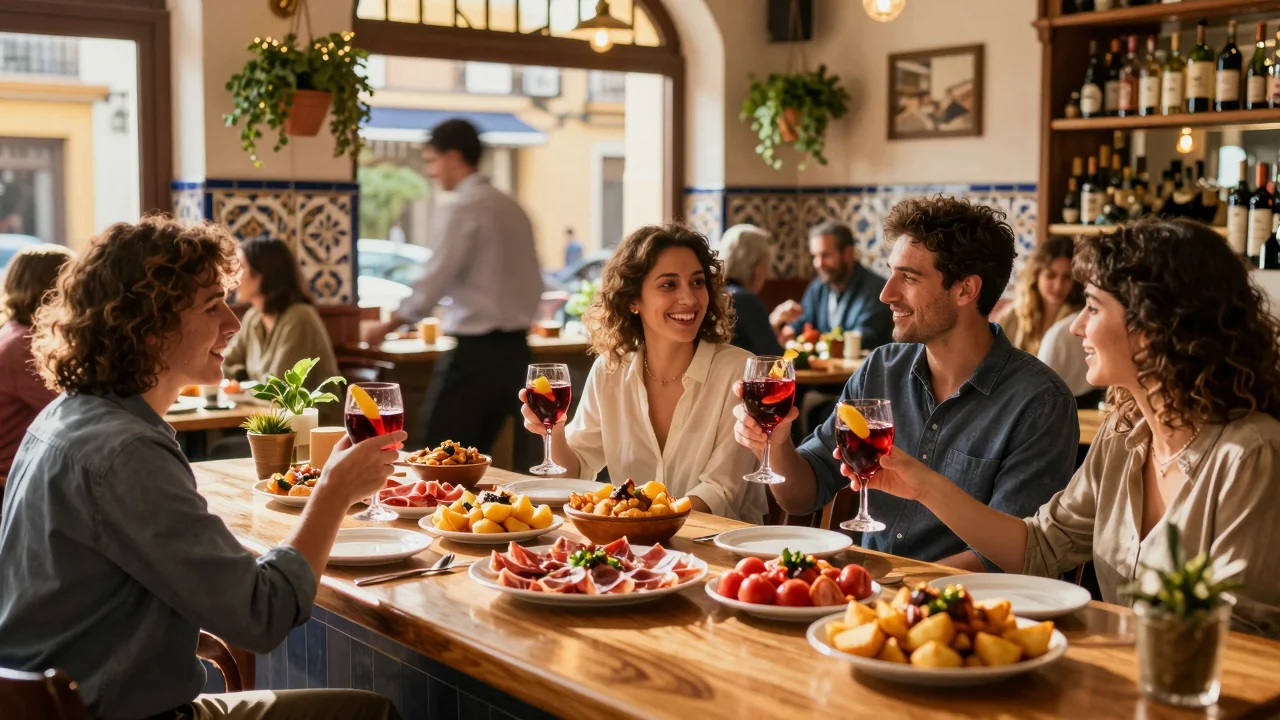
Imagine standing at the bar of a bustling tapas joint in Barcelona, watching as the chef effortlessly flips tiny morsels of jamón ibérico and golden croquetas in the pan—only to be handed a plate that’s half the size of your appetite. You’ve heard the hype about Spain’s legendary tapas culture, but after hours of wandering cobblestone streets and settling for mediocre bites at tourist traps, frustration sets in. The promised explosion of flavors? Nowhere to be found. In 2026, with travel trends leaning toward hyper-local, immersive dining, the quest for authentic Spain tapas experiences feels more crucial—and confusing—than ever.
The good news is that Spain’s culinary scene is thriving, blending centuries-old traditions with modern innovation. From the smoky charm of a Seville bodega to the avant-garde twists in Madrid’s latest Michelin-starred tapas bars, 2026 is shaping up to be a golden year for food lovers. But with endless options and fast-changing hotspots, how do you separate the truly unforgettable from the overrated? Whether you’re craving crispy patatas bravas with a side of history or seafood so fresh it tastes like the Mediterranean itself, this guide will take you straight to the heart of Spain’s best bites—no tourist traps allowed.
Top Tapas Bars in Madrid for 2026
The narrow cobblestone streets of Madrid’s La Latina district hum with energy as the sun dips below the horizon, casting a warm golden glow over bustling tapas bars. The air is thick with the aroma of sizzling jamón ibérico and garlicky alioli, drawing in locals and travelers alike who seek the city’s most authentic Spain tapas experiences. Whether you’re a seasoned foodie or a curious first-timer, Madrid’s tapas scene in 2026 offers something unforgettable.
Madrid’s tapas bars are as diverse as its history, blending centuries-old traditions with bold modern twists. Here’s where to find the best of both worlds:
- Casa Lucio – A historic gem known for its slow-cooked huevos rotos (broken eggs).
- Bodega de la Ardosa – Famous for its tortilla española and classic vermouth.
- Sobrino de Botín – The world’s oldest restaurant, serving wood-fired cochinillo asado.
- Tandem – A trendy spot with inventive small plates like truffle-infused croquettes.
- El Sur – A cozy bar where traditional Andalusian flavors take center stage.
Traditional vs. Modern Tapaseras
Madrid’s tapas scene is a beautiful clash of old and new, where time-honored recipes meet avant-garde creativity. On one side, you have traditional tapaserías, like Casa Lucio, where dishes like patatas bravas and croquetas de jamón are prepared exactly as they’ve been for decades. These spots often feature wooden interiors, handwritten menus, and a no-frills approach that lets the flavors speak for themselves.
On the other side, modern tapaserías such as Tandem and El Sur reimagine classic tapas with unexpected ingredients and artistic plating. Think deconstructed gazpacho or foie gras-topped pan con tomate. Both styles offer incredible Spain tapas experiences, but which you prefer depends on whether you’re in the mood for comfort food nostalgia or culinary innovation.
Must-Try Dishes of 2026
No trip to Madrid would be complete without sampling the city’s most iconic tapas. This year, a few standout dishes are stealing the spotlight:
- Croquetas de jamón ibérico – Creamy béchamel stuffed with cured ham (€3–5 per serving).
- Pulpo a la gallega – Tender octopus with paprika and olive oil (€9–12).
- Berenjenas con miel – Crispy fried eggplant drizzled with honey (€6).
- Tortilla de patatas – A thick, hearty Spanish omelet (€4–7).
- Albóndigas en salsa – Juicy meatballs in rich tomato sauce (€5).
Each bite tells a story of Spain’s rich culinary heritage and the vibrant evolution of its gastronomy. As you savor these flavors, you’ll understand why Madrid remains one of Europe’s top destinations for unforgettable Spain tapas experiences. The next stop on this culinary journey reveals how Barcelona is redefining tapas with its own unique flair.
Barcelona’s Tapas Revolution
The sun dips below the rooftops of Barcelona as the city’s streets hum with anticipation. It’s not just another evening—it’s 2026, and tapas culture has evolved into something truly magical. The scent of sizzling pan con tomate mingles with the salty tang of seafood from nearby stalls, while chefs push boundaries with flavors that surprise even the most seasoned food lovers.
Barcelona isn’t just keeping up with global culinary trends; it’s leading them. From molecular gastronomy to hyper-local sourcing, the city’s tapas scene is a playground for innovation. Diners in 2026 can expect dishes like jamón ibérico paired with artisan honey from Catalonia or smoked paprika-infused olives that burst with depth. The fusion of tradition and modernity is what makes Spain tapas experiences here unforgettable.
“Barcelona’s tapas revolution is about reimagining the classics while staying rooted in authenticity. In 2026, chefs are experimenting with fermentation techniques and heirloom ingredients to create flavors that tell a story.” — Chef Marta Rovira, El Nacional Barcelona
Innovative Flavors Shaping Trends
Barcelona’s culinary scene thrives on daring creativity. Restaurants like Disfrutar, known for its avant-garde approach, now offer tapas that challenge expectations—think deconstructed croquetas with truffle foam or 3D-printed chocolate ganache topped with edible flowers. Even humble patatas bravas have been reimagined using air-fried techniques and house-made spice blends.
The city’s commitment to sustainability also shines through in 2026, with zero-waste tapas bars like Flax & Kale leading the charge. Their vermouth-infused gazpacho shots, served in compostable cups, are a hit among eco-conscious diners. Whether you’re sipping on natural wine or indulging in plant-based tortilla española, Barcelona’s flavors are as diverse as its neighborhoods.
Best Late-Night Tapas Spots
When the nightlife kicks into gear, so do the tapas bars. For those craving a post-midnight feast, Spain tapas experiences come alive in spots like Quimet & Quimet in Poble-sec, where locals and visitors alike gather for late-night bites of boquerones en vinagre and morcilla de Burgos. The narrow bar, lined with jamón hanging from the ceiling, is a testament to Barcelona’s no-frills charm.
If you’re exploring the city’s vibrant nightlife, Barcelona Nightlife in 2026: Best Spots & Vibes offers a guide to pairing your tapas crawl with the best bars. Head to El Xampanyet in El Born for their famous anxoves (anchovies) or La Cova Fumada for grilled sardines that melt in your mouth—perfect fuel after hours of dancing.
As Barcelona’s tapas scene continues to evolve, one thing remains clear: the city’s passion for flavor is timeless.
Andalusia’s Authentic Tapas Trail
The sun dips low over Seville, casting a golden glow on cobblestone streets lined with bustling taverns. The air is thick with the scent of sizzling garlic and smoked paprika—a symphony of aromas that lures you into one of Andalusia’s legendary tapas bars. This is where Spain’s most iconic culinary tradition was born, and in 2026, the experience feels more vibrant than ever.
The Birthplace of Tapas Culture
Andalusia isn’t just home to flamenco and Moorish architecture—it’s the heartland of Spain tapas experiences. Legend has it that tapas began as small plates of food served alongside a glass of sherry to “cover” (tapar in Spanish) drinks from flies. Today, these humble beginnings have evolved into an art form celebrated across the region.
For an authentic taste of history, here are five must-visit spots:
– El Rinconcillo in Seville (since 1670), where the walls whisper tales of centuries past.
– La Cueva de los Gitanos in Granada, tucked into a cave-like setting with tapas paired perfectly with local wines like Alvear Fino ($25/bottle).
– Casa Ruiz in Córdoba, famous for its salmorejo made from the region’s ripe tomatoes.
– Bodega La Paloma in Málaga, serving up garlicky espetos de sardinas cooked over open flames.
– Bar Los Miserables in Cádiz, where fresh boquerones en vinagre arrive straight from the Atlantic.
Each bar offers a glimpse into Andalusia’s soul—where tradition meets innovation and every bite tells a story. The flavors here are unfiltered, unapologetic, and deeply rooted in the land.
Seasonal Ingredients to Watch in 2026
This year, Andalusian chefs are embracing hyper-local ingredients with a modern twist. Spring brings tender habas con jamón, while summer showcases wild strawberries from Huelva, their sweetness enhanced by sea salt flakes like the Artisan Salt Co.’s Mediterranean Blend ($8 for 500g). Autumn harvests introduce roasted chestnuts and setas (wild mushrooms), often paired with aged Manchego cheese.
Top seasonal picks for 2026 include:
– Spring: Fresh asparagus wrapped in Iberico ham.
– Summer: Grilled octopus drizzled with locally pressed olive oil, such as Picual Extra Virgin ($30/liter).
– Autumn: Wild mushroom risotto infused with saffron threads.
– Winter: Hearty stews like cocido andaluz, slow-cooked for hours.
The region’s commitment to seasonal eating ensures that every visit offers something new, making each tapas crawl an unforgettable adventure. As the flavors of Andalusia linger on your palate, you’ll find yourself drawn northward—where a different kind of culinary magic awaits.
Northern Spain’s Hidden Gems
The crisp morning air of San Sebastián carried the tantalizing aroma of grilled piquillo peppers and sizzling txuleta steaks as I stepped into La Cuchara de San Telmo. This was no ordinary restaurant—it was a living testament to the Basque Country’s reverence for Spain tapas experiences. The walls, adorned with vintage fishing nets and photos of local fishermen, whispered tales of generations perfecting their craft.
Basque Country’s Culinary Secrets
The Basque Country isn’t just about pintxos; it’s a philosophy. At Bar Nestor, the legendary “tortilla de patatas” (potato omelet) has been served since 1967, its layers of buttery potato and fluffy egg a testament to time-honored techniques. In Bilbo, I marveled at the precision of gilda, a simple yet profound skewer of anchovy, olive, and guindilla pepper—each ingredient bursting with flavor. The Basques believe in quality over quantity, sourcing ingredients like Idiazábal cheese from local farms or txakoli wine from nearby vineyards.
“The Basque Country’s tapas culture is about community as much as it is about food. Every bite tells a story.” — Chef José María Ruiz, Michelin-starred Etxebarri
From the smoky depths of a txuleton grill to the delicate balance of a bacalao al pil-pil, every dish here is a masterclass in culinary artistry.
Galicia’s Seafood Tapas Delights
Just a few hours west, Galicia’s rugged coastline yields some of Spain’s freshest seafood. In A Coruña, O Dezaseis’s percebes (gooseneck barnacles) arrive daily from the Galician cliffs, their briny sweetness unmatched. At Pulpería A Tafona in Santiago de Compostela, a steaming plate of pulpo á feira—tender octopus drizzled with paprika oil—is a pilgrimage-worthy experience.
In 2026, sustainability is at the forefront, with restaurants like O Groove in Vigo proudly serving besugo (sea bream) caught using traditional wooden boats. The seafood here isn’t just food; it’s a celebration of Galicia’s wild, untamed beauty.
As the sun dipped below the horizon, painting the Atlantic in hues of gold and crimson, I knew my journey through Spain’s tapas experiences was far from over.
Valencia’s Modern Twist on Classic Tapas
The late afternoon sun cast a golden glow over Valencia’s bustling Ruzafa district as I stepped into La Pepica, a restaurant where tradition meets innovation. The air was thick with the aroma of sizzling seafood and smoky paprika, a sensory introduction to how Valencia is redefining Spain tapas experiences for modern food lovers. This city, known for its vibrant culture and culinary creativity, has become a playground for chefs who are fearlessly blending time-honored techniques with contemporary flair.
Fusion Cuisine Innovations
Valencia’s culinary scene thrives on experimentation, where classic tapas get a bold upgrade. At Riff, chef Berto Méndiz crafts dishes like the Arroz Negro de Marisco—a modern twist on black rice infused with squid ink and seafood broth, elevated by edible flowers and crispy prawns. The menu is a testament to Valencia’s ability to honor its roots while embracing global influences. Another standout spot, La Submarina, serves up Tigres de Tapas—crispy potato skins stuffed with slow-cooked beef cheek and truffle aioli—a dish that marries comfort food with high-end sophistication.
For those seeking an immersive experience, El Poblet offers a tasting menu where each small plate tells a story. Dishes like the Berenjena con Miel—fried eggplant drizzled with local honey and aged Manchego cheese—showcase how simple ingredients can create extraordinary flavors. The restaurant’s minimalist decor, paired with an open kitchen, ensures that every bite is as much a feast for the eyes as it is for the palate.
- Arroz Negro de Marisco at Riff – €18
- Tigres de Tapas at La Submarina – €14
- Berenjena con Miel at El Poblet – €9
- Pan con Tomate Moderno (truffle-infused tomato bread) – €7
- Croquetas de Jamón Ibérico with a hint of saffron – €8
Best Tapas Pairings with Local Wines
No visit to Valencia is complete without discovering the perfect wine pairings that elevate each tapas experience. The region’s Bobal reds, known for their bold tannins and dark fruit notes, pair beautifully with hearty dishes like Alcachofas a la Brasa—grilled artichokes drizzled with romesco sauce. For seafood lovers, a crisp Malvasía white wine from the nearby Utiel-Requena region complements delicate flavors like the Gambas al Ajillo—garlic shrimp sautéed in olive oil and chili.
At Casa Montaña, a historic spot frequented by locals since 1836, sommeliers recommend trying the Cava de Valencia Brut Reserva with their famous Banderillas—skewers of pickled vegetables and anchovies. The effervescence cuts through the richness, creating a balanced harmony on the palate. Meanwhile, El Mercat offers a curated selection of natural wines that pair exceptionally well with their innovative small plates, such as the Trufa y Queso (truffle and cheese tartare) paired with a light Verdejo from Rueda.
- Bobal Red – €25 per bottle at Riff
- Malvasía White – €18 at La Pepica
- Cava de Valencia Brut Reserva – €30 at Casa Montaña
- Natural Wine Selection starting at €12 a glass at El Mercat
- Verdejo from Rueda – €22 at El Poblet
As the evening light fades and the city’s energy shifts to the night, Valencia invites you to explore its tapas scene further, where every bite and sip tells a story of tradition and innovation.
A Culinary Journey Worth Repeating
As the sun sets over Spain’s vibrant cities and charming villages, the air is filled with the tantalizing aromas of sizzling garlic, smoked paprika, and fresh seafood—a symphony of scents that beckons you to savor Spain’s best tapas experiences in 2026. From the lively bars of Barcelona to the historic streets of Seville, every corner offers a taste of tradition, innovation, and pure delight. Whether you’re sharing platters of jamón ibérico with new friends or indulging in the rich history behind each bite, these moments become more than just meals; they’re memories woven into the fabric of your travels.
The tapas experiences across Spain in 2026 are a testament to the country’s enduring love for food as a social and cultural cornerstone. Each dish tells a story—of family recipes passed down through generations, of local ingredients celebrated with pride, and of the joy found in breaking bread together. As you reflect on your journey through these culinary treasures, you’ll realize that Spain’s tapas aren’t just about satisfying hunger; they’re about embracing life’s simple pleasures.
Ready to embark on this flavorful adventure? Start planning your trip today and let the unforgettable Spain tapas experiences of 2026 become a highlight of your year!